Gb Dominant 7th

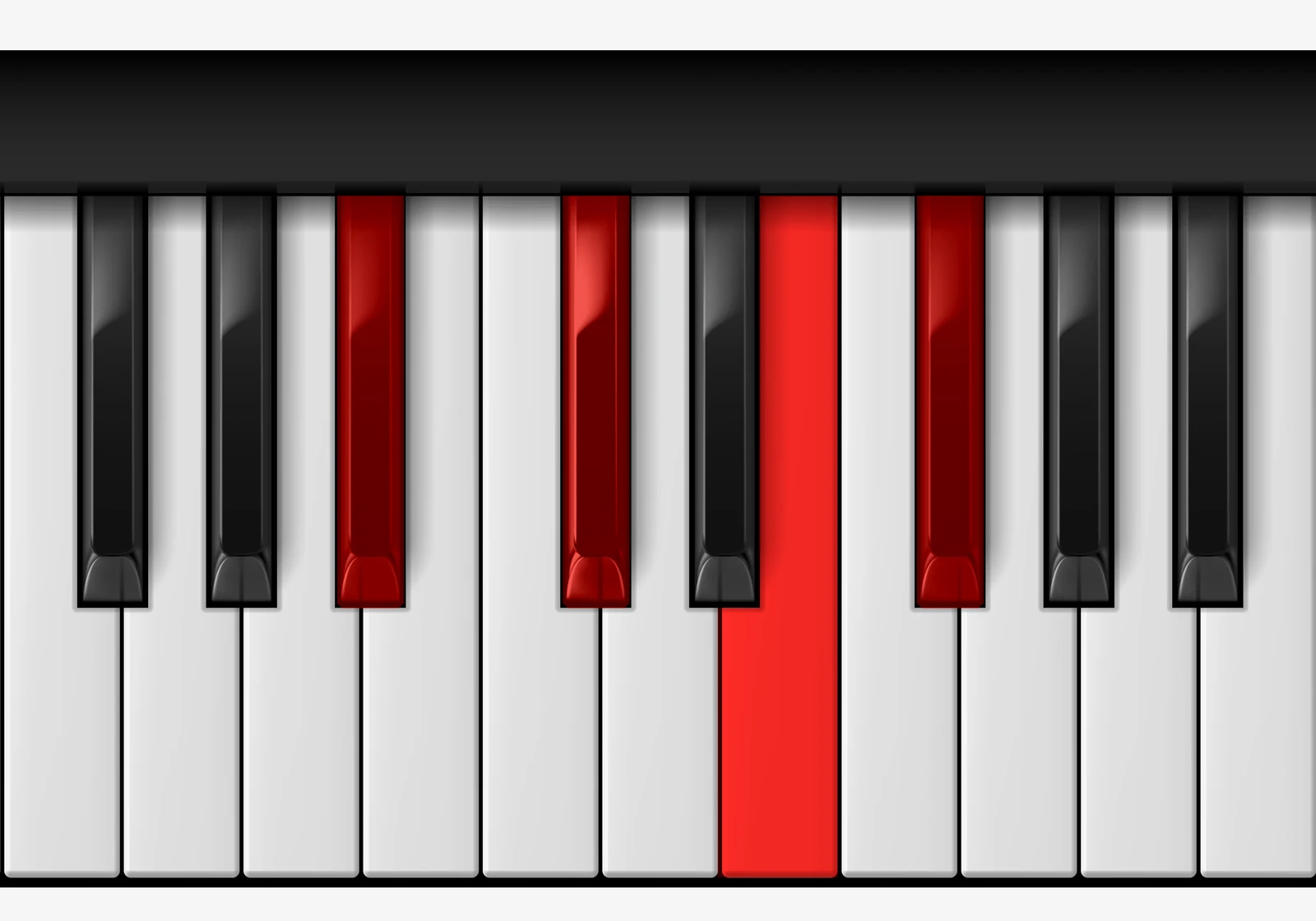
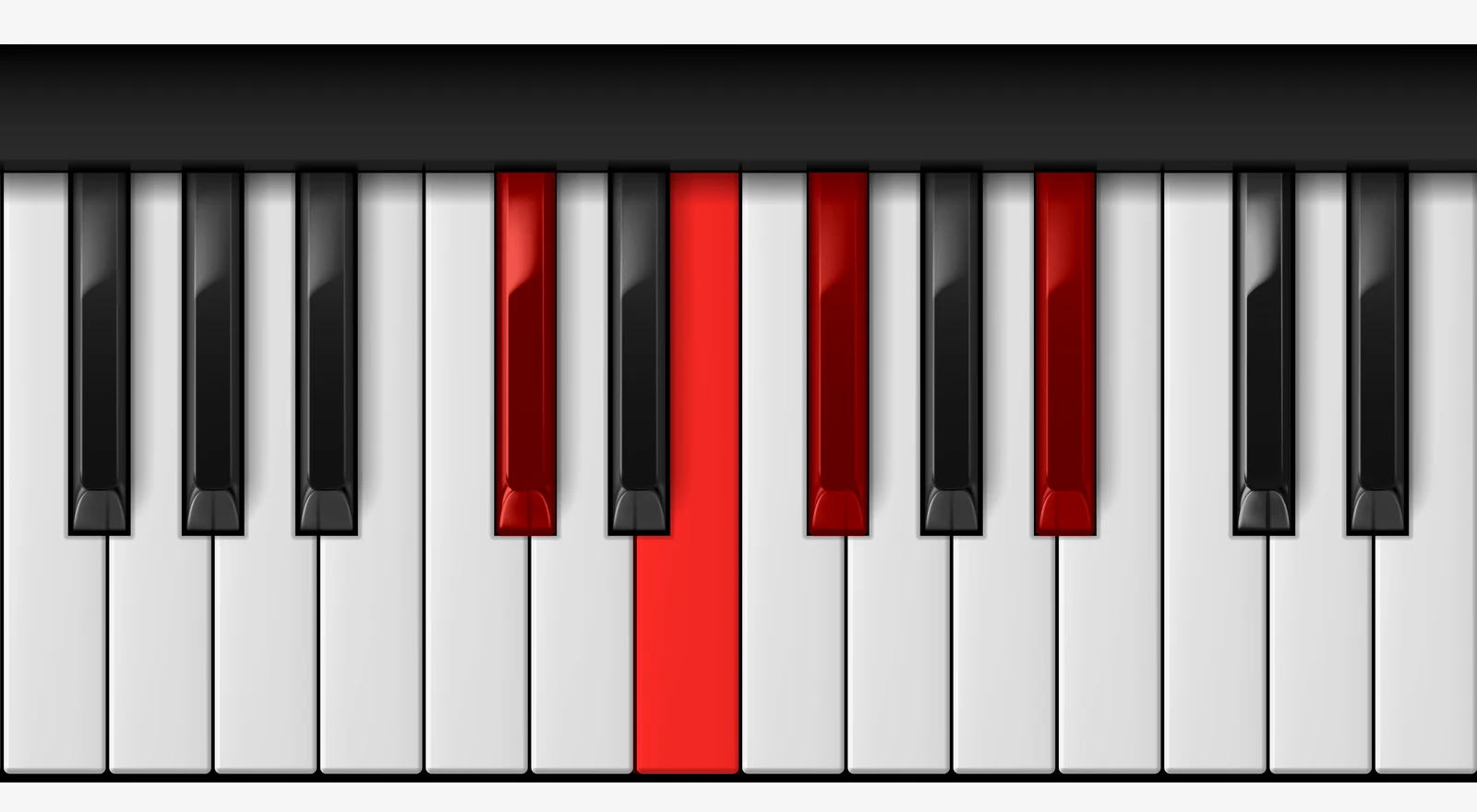
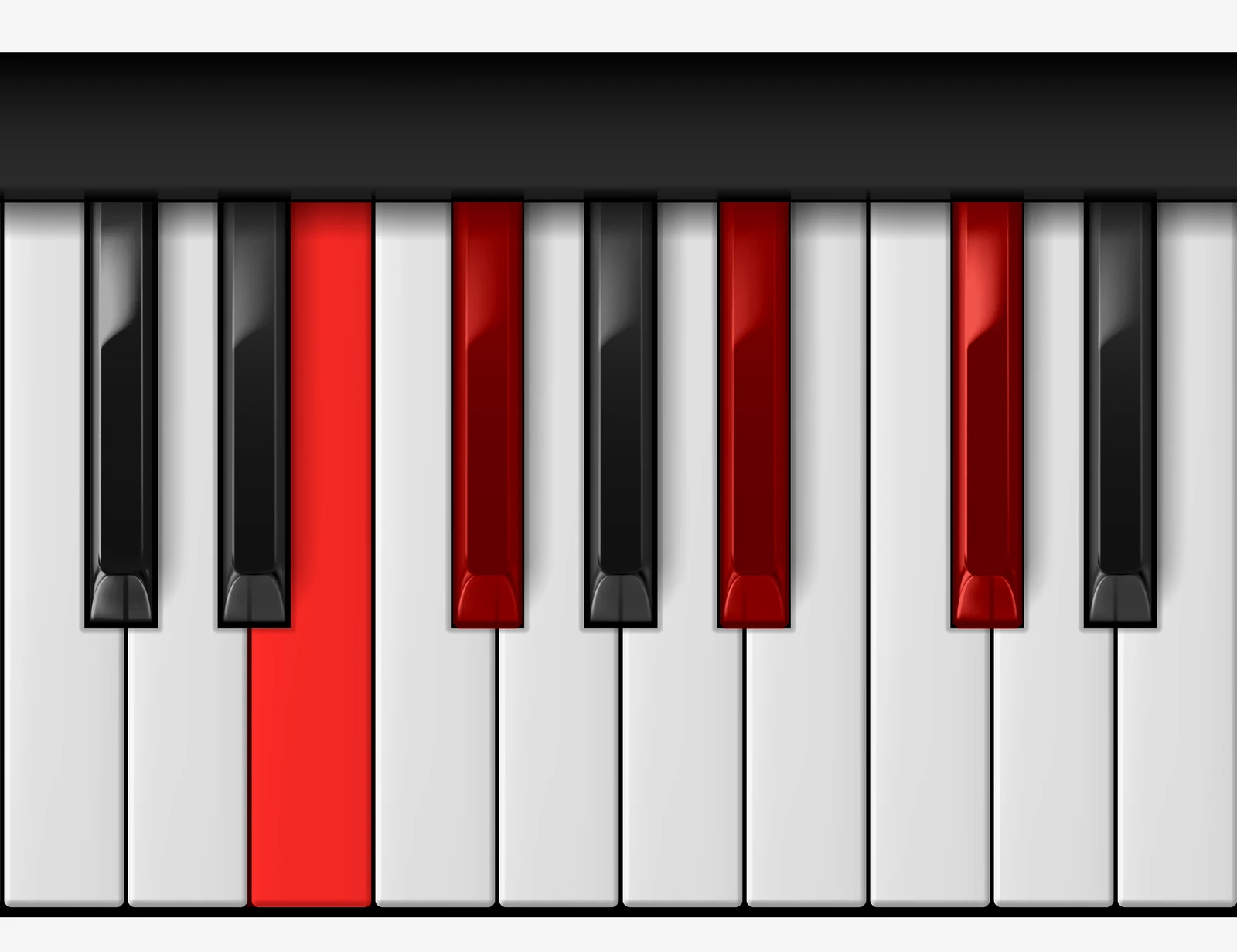
Notes:Gb – Bb – Db – E
Formula:R-M3-P5-m7
Intervals:P1-M3-P5-m7
Scale Degrees:1-3-5-b7

Introduction

The Gb Dominant 7th piano chord (Gb7) consists of the notes Gb, Bb, Db, E. It is a major triad with an added minor 7th, giving it a bluesy, tense sound that strongly wants to resolve. Formula: R-M3-P5-m7 | Scale degrees: 1-3-5-b7.

Enharmonic equivalent: G♭ is enharmonically equivalent to F♯. See F# Dominant 7th.

Notes

Notes:Gb – Bb – Db – E

Gb Dominant 7th Inversions

PositionNotes
Root PositionGb4 – Bb4 – Db5 – E5
1st InversionBb4 – Db5 – E5 – Gb5
2nd InversionDb5 – E5 – Gb5 – Bb5
3rd InversionGb4 – Bb4 – Db5 – E4

Key Signature

The key of Gb Dominant 7th has 6 flats: B♭, E♭, A♭, D♭, G♭, C♭.

BEADGC

Theory: Intervals

Formula: R-M3-P5-m7
Intervals: P1-M3-P5-m7

The Gb Dominant 7th is built by stacking intervals from the root note. The formula R-M3-P5-m7 describes the scale degrees used. The intervals P1-M3-P5-m7 show the distance between each note in the chord.

Gb Dominant 7th — Frequently Asked Questions

What notes are in the Gb Dominant 7th chord?

The Gb Dominant 7th chord (Gb7) contains four notes: Gb (root), Bb (major third), Db (perfect fifth), and Fb (minor seventh). Fb is enharmonically the same as E. The major triad with a minor seventh creates the dominant 7th tension.

How does Gb Dominant 7th differ from Gb Major?

Gb Major contains three notes: Gb, Bb, Db. Gb Dominant 7th adds an Fb (minor seventh) on top. That one added note transforms a stable chord into one with harmonic pull — it wants to resolve down a fifth to Cb Major (enharmonically B Major).

What does 'dominant' mean in music theory?

'Dominant' refers to the fifth scale degree. The dominant 7th chord is built on the fifth note of a key and contains a tritone that creates strong pull toward resolution. Gb7 is the dominant chord in the key of Cb Major (enharmonically B Major).

How is Gb Dominant 7th used in music?

Gb7 most commonly resolves to Cb Major in a V7–I cadence. In practice, musicians often use the enharmonic equivalent F#7 instead. Gb7 also functions as a tritone substitution for C7, since both share the same tritone (Bb and Fb/E).

What songs use dominant 7th chords?

Dominant 7th chords are the backbone of blues and early rock: every chord in a standard 12-bar blues is a dominant 7th. Hit the Road Jack (Ray Charles), Ain't Misbehavin' (Fats Waller), and countless jazz standards rely on dominant 7th movement for their harmonic drive.

What is the tritone in Gb Dominant 7th?

The tritone in Gb7 is the interval between Bb (the third) and Fb (the seventh) — exactly 6 semitones apart. This unstable interval gives Gb7 its strong pull toward resolution. The Bb resolves up to Cb and the Fb resolves down to Eb.

Practice Tips

  • Play Gb Major then add Fb (E) — hear how that one note creates urgency and forward motion in the chord.
  • The tritone between Bb and Fb is the engine of Gb7. Play just those two notes, then resolve: Bb up to Cb, Fb down to Eb.
  • Practice the resolution: Gb7 → Cb Major (or enharmonically F#7 → B Major). Both sound identical — try both spellings to reinforce your key fluency.
  • Gb7 and C7 are tritone substitutes — they share the same tritone. Practice substituting one for the other in a ii–V–I.
  • Compare Gb7 with Gbm7 — the major third (Bb) in Gb7 gives brightness and drive, while the minor third in Gbm7 has a darker, smoother quality.
  • Try the rootless voicing: Bb–Db–Fb without the Gb root — this sparse voicing is standard for jazz comping when a bassist covers the root.