Skip to content

E Dominant 7th

Hear the E Dominant 7th chord played for you.

E7
E – G♯ – B – D
Formula:R-M3-P5-m7
Intervals:P1-M3-P5-m7
Scale Degrees:1-3-5-b7

Introduction

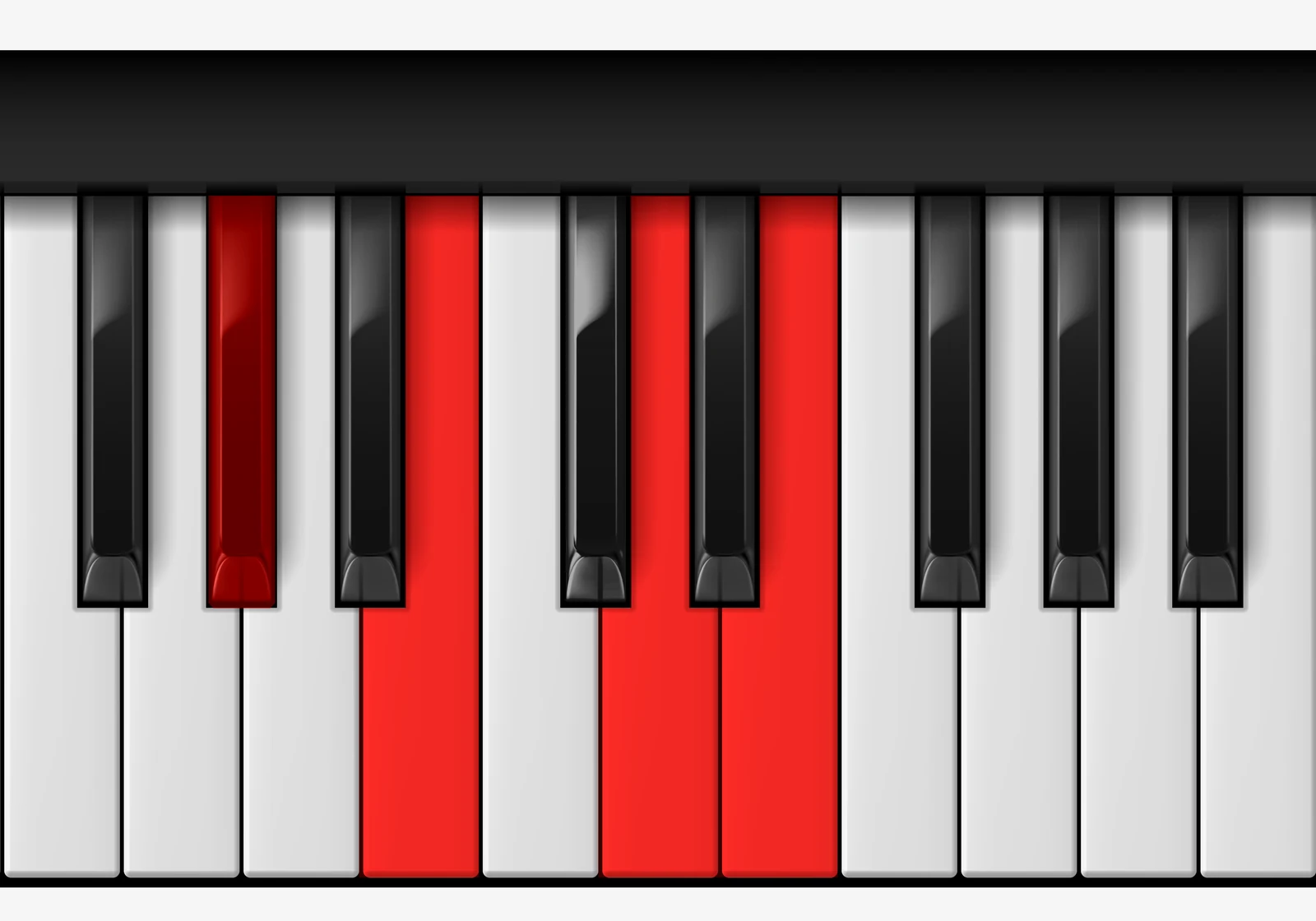
E Dominant 7th on the piano — Notes: E – G♯ – B – D
E Dominant 7th chord on the piano

The E Dominant 7th chord is a four-note chord made up of E, G♯, B, and D. It is built from a root, major third, perfect fifth, and minor seventh.

The E Dominant 7th piano chord (E7) consists of the notes E, G#, B, D. It is a major triad with an added minor 7th, giving it a bluesy, tense sound that strongly wants to resolve. Formula: R-M3-P5-m7 | Scale degrees: 1-3-5-b7.

Notes

Notes:E – G♯ – B – D

E Dominant 7th Inversions

PositionNotes
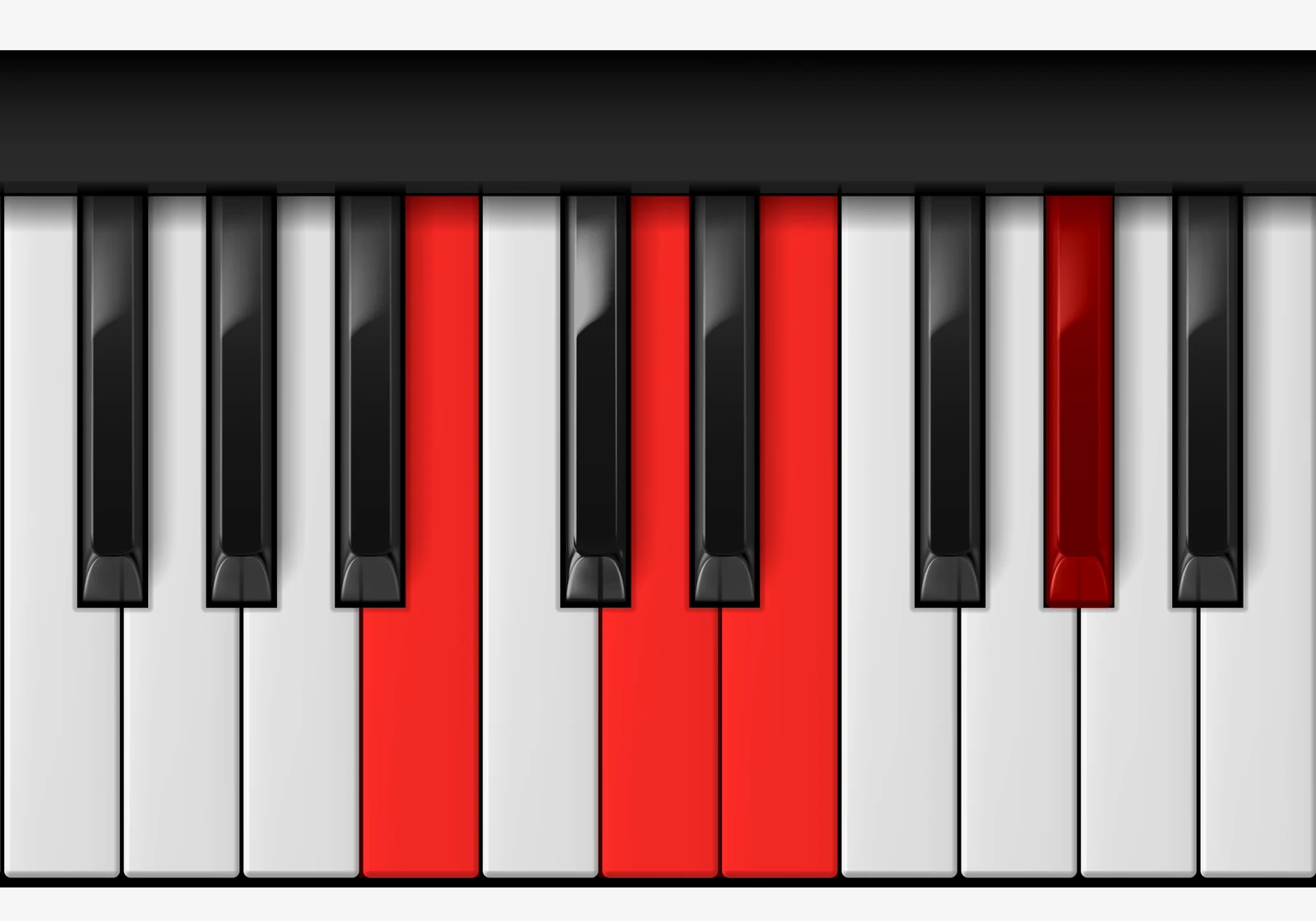
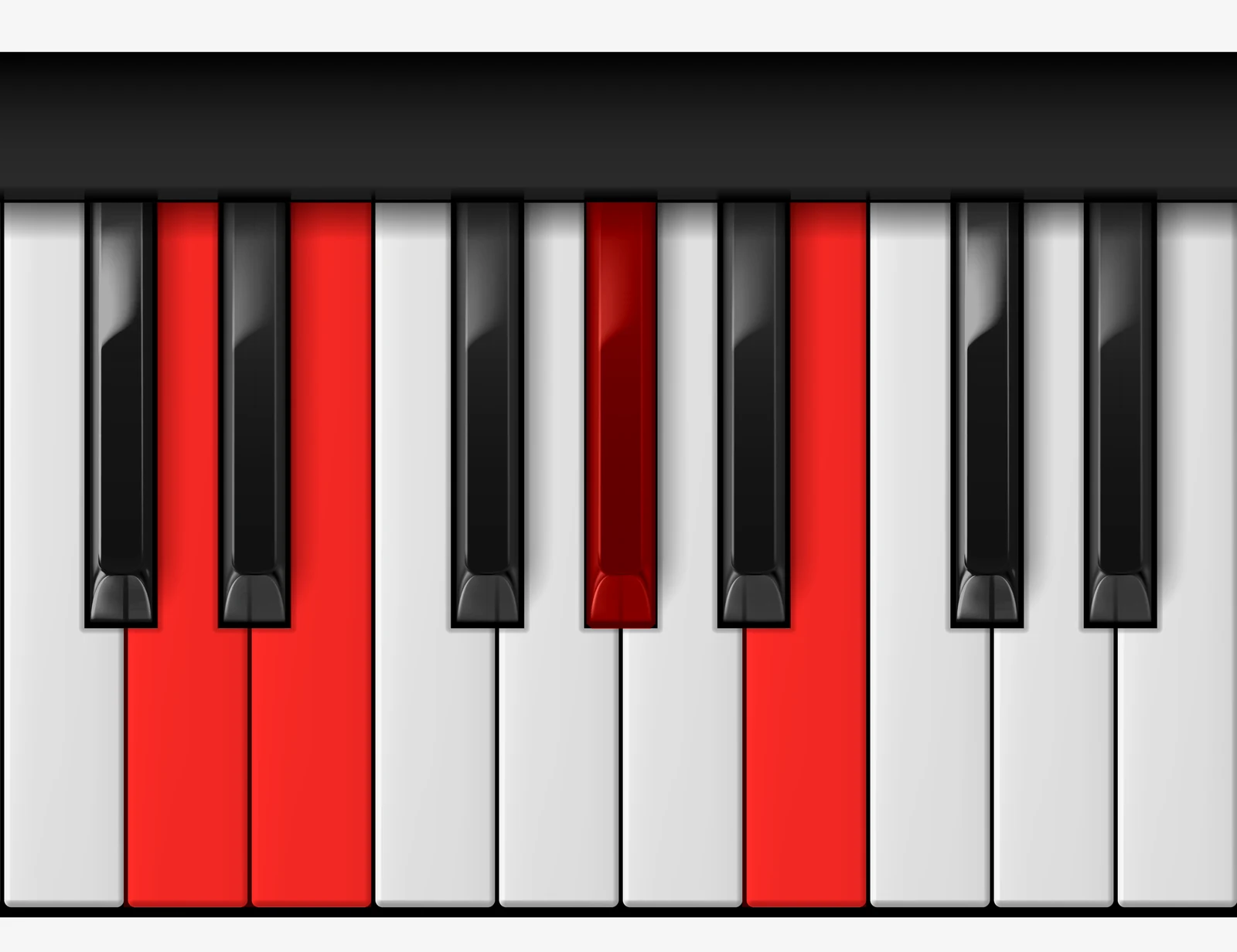
Root PositionE – G♯ – B – D
1st InversionG♯ – B – D – E
2nd InversionB – D – E – G♯
3rd InversionE – G♯ – B – D

Key Signature

The key of E Dominant 7th has 4 sharps.

F♯C♯G♯D♯

Order of sharps

Sharps are added to a key signature in a fixed order. Each new sharp key adds the next sharp on the list.

FCGDAEB

Mnemonic: Father Charles Goes Down And Ends Battle

Chords in the Key of E Major

These are the diatonic triads built on each degree of the E major scale:

C
D
E
F
G
A
B
C
D
E
F
G
A
B
IE Major (major)
DegreeNumeralChordQuality
1IE MajorMajor
2iiF♯ MinorMinor
3iiiG♯ MinorMinor
4IVA MajorMajor
5VB MajorMajor
6viC♯ MinorMinor
7vii°D♯ DiminishedDiminished

Theory: Intervals

Formula: R-M3-P5-m7
Intervals: P1-M3-P5-m7

The E Dominant 7th is built by stacking intervals from the root note. The formula R-M3-P5-m7 describes the scale degrees used. The intervals P1-M3-P5-m7 show the distance between each note in the chord.

E Dominant 7th — Frequently Asked Questions

What notes are in the E Dominant 7th chord?
The E Dominant 7th chord (E7) contains four notes: E (root), G# (major third), B (perfect fifth), and D (minor seventh). The major triad with a minor seventh creates the bluesy, driving tension that defines the dominant 7th sound.
How does E Dominant 7th differ from E Major?
E Major contains three notes: E, G#, B. E Dominant 7th adds a D (minor seventh) on top. That single added note transforms a resolved chord into one with strong forward motion — it wants to resolve down a fifth to A Major.
What does 'dominant' mean in music theory?
'Dominant' refers to the fifth scale degree. The dominant 7th chord is built on the fifth note of a key and contains a tritone that creates strong pull toward resolution. E7 is the dominant chord in the key of A Major — one of the most common keys in rock and blues guitar music.
How is E Dominant 7th used in music?
E7 most commonly resolves to A Major in a V7–I cadence. It is one of the most important chords in blues and rock — E7 is the I chord in a blues in E, and the V7 in A Major. It appears in virtually every blues and classic rock song.
What songs use dominant 7th chords?
Dominant 7th chords are the backbone of blues and early rock: every chord in a standard 12-bar blues is a dominant 7th. Hit the Road Jack (Ray Charles), Ain't Misbehavin' (Fats Waller), and countless jazz standards rely on dominant 7th movement for their harmonic drive.
What is the tritone in E Dominant 7th?
The tritone in E7 is the interval between G# (the third) and D (the seventh) — exactly 6 semitones apart. This is the most unstable interval in Western music and gives E7 its strong pull toward A. The G# resolves up to A and the D resolves down to C#.

Practice Tips

  • Play E Major then add D with your pinky — hear how that one note transforms a resolved chord into one that demands motion.
  • The tritone between G# and D is the engine of E7. Play just those two notes, then resolve: G# up to A, D down to C#. This is V7–I voice leading in A Major.
  • Practice the essential resolution: E7 → A Major. This is fundamental to blues, rock, and country music — master it in every inversion.
  • E7 is the I chord in a 12-bar blues in E: E7–E7–E7–E7–A7–A7–E7–E7–B7–A7–E7–B7. The most common blues key for guitar translates directly to piano.
  • Compare E7 with Em7 — the major third (G#) in E7 gives it brightness and drive, while the minor third in Em7 creates a mellow, dark quality.
  • Try a rootless voicing: play G#–B–D without the E — this sparse voicing is used in jazz comping and lets the bass define the root.

Related Tools

Chord FinderLook up any chord — see the notes, hear it, and play along.Chord DrillTimed drills to build speed and recognition across all chord types.Practice RoomPlug in a MIDI keyboard and get real-time feedback on every chord and scale.Circle of FifthsVisualize key relationships, relative minors, and key signatures.MIDI MonitorLive MIDI message stream with note names, velocity, and a scrolling staff.