The G Dominant 7th chord is a four-note chord made up of G, B, D, and F. It is built from a root, major third, perfect fifth, and minor seventh.
Construction
G Dominant 7th = Root + Major 3rd + Perfect 5th + Minor 7th = G · B · D · F
| Note | Interval | Degree |
|---|---|---|
| G | Root | 1 |
| B | Major 3rd | 3 |
| D | Perfect 5th | 5 |
| F | Minor 7th | ♭7 |
G Dominant 7th Inversions
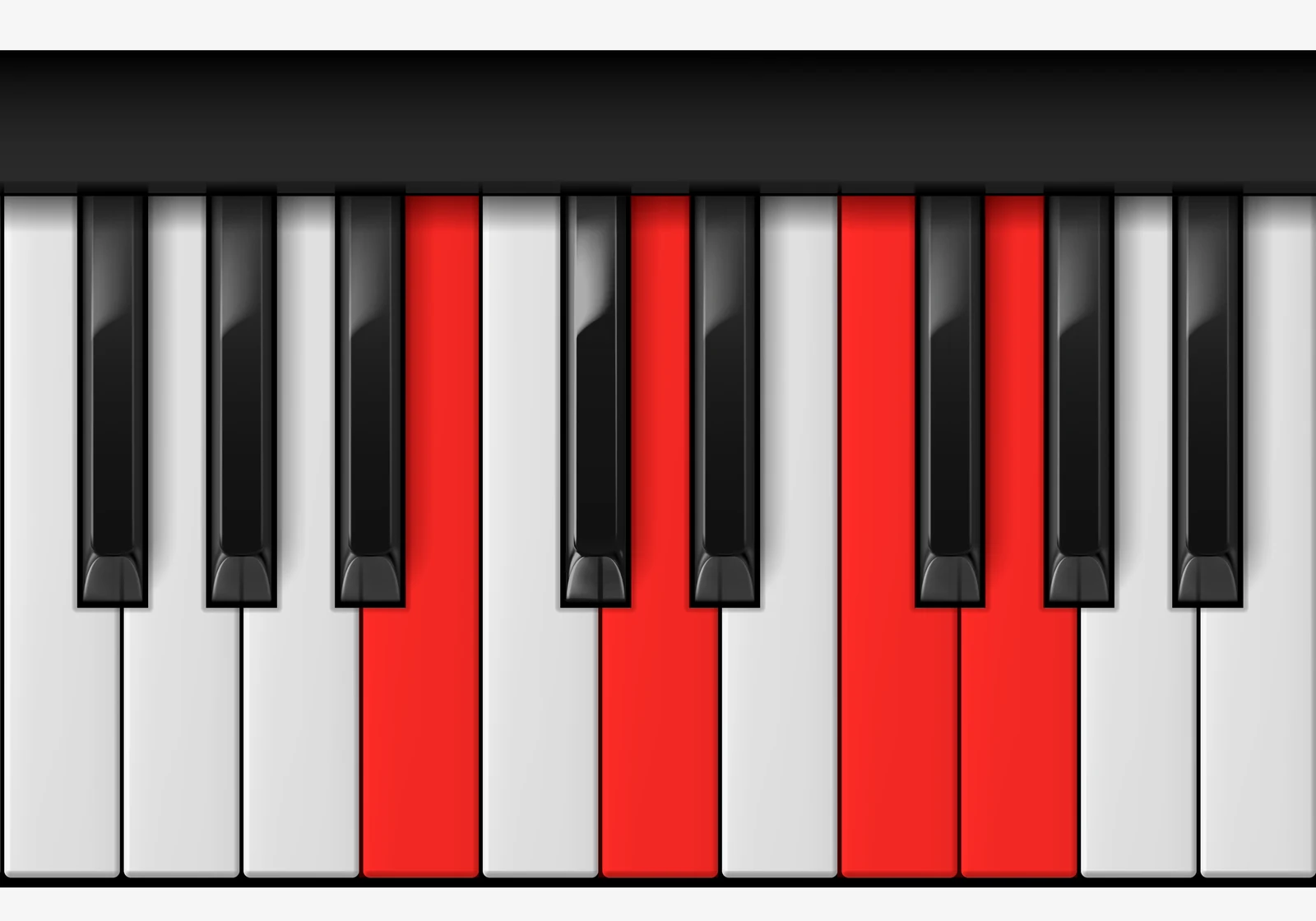
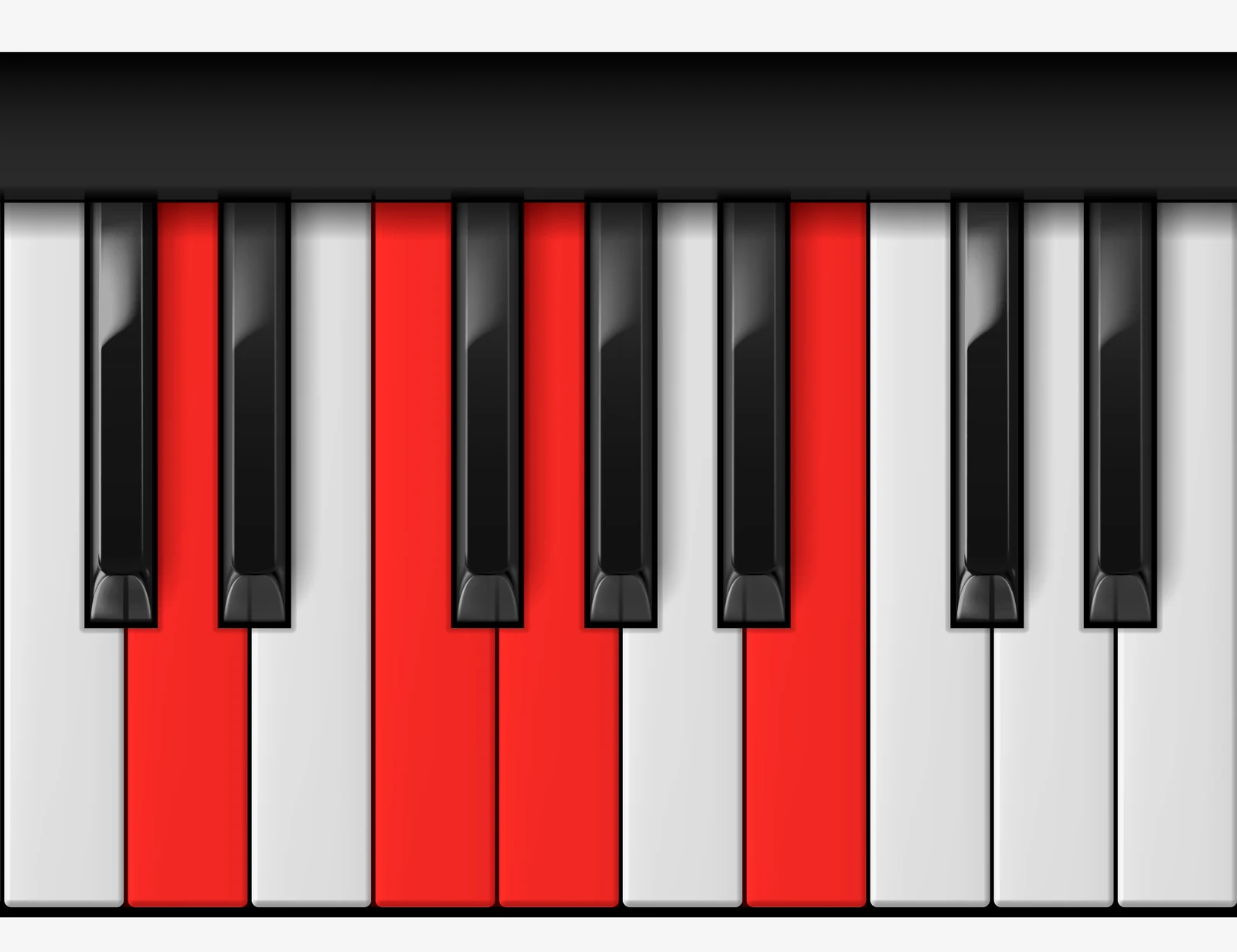
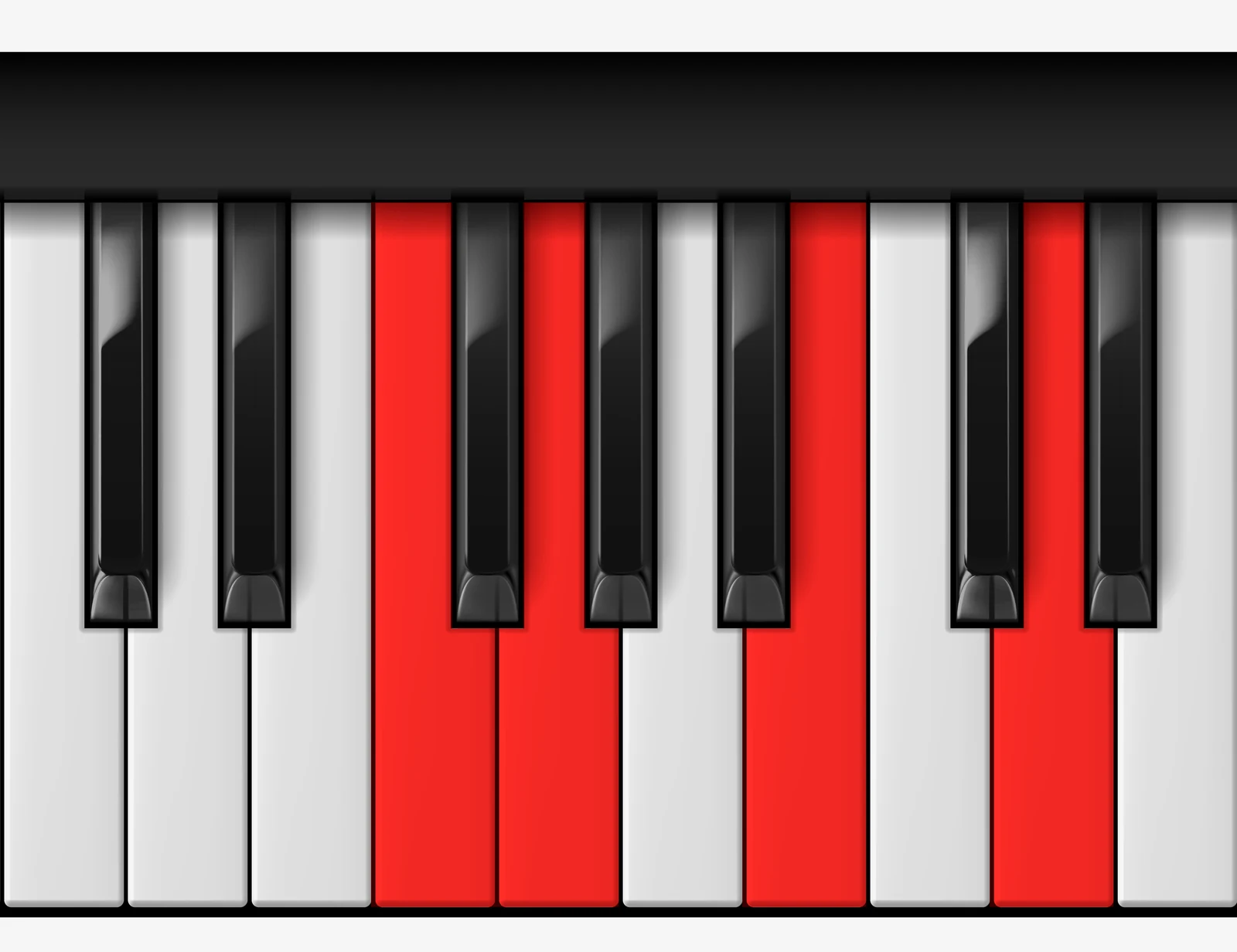
| Position | Notes |
|---|---|
| Root Position | G – B – D – F |
| 1st Inversion | B – D – F – G |
| 2nd Inversion | D – F – G – B |
| 3rd Inversion | F – G – B – D |
Key Signature
A dominant chord points home to the key a fifth below its root: the G Dominant 7th is the V (dominant) of C Major, so the relevant key signature is that key’s — no sharps or flats. Spelled as a scale, these notes are G Mixolydian.
Chords in the Key of C Major
These are the triads built on each degree of the C major scale:
How G Dominant 7th functions in a key
The same chord takes on a different harmonic role depending on the key it appears in. Here is where G Dominant 7th sits diatonically across the common keys:
- In C major, G Dominant 7th is the V chord — the dominant.
- In A minor, G Dominant 7th is the ♭VII chord — a mediant / color chord.
G Dominant 7th — Frequently Asked Questions
What is the G Dominant 7th chord on piano?
The G Dominant 7th chord contains the notes G – B – D – F. On piano, play these notes together to sound the chord.
What notes are in the G Dominant 7th chord?
The G Dominant 7th chord (G7) contains four notes: G (root), B (major third), D (perfect fifth), and F (minor seventh). The major triad with a minor seventh creates the dominant 7th's characteristic drive and tension.
How does G Dominant 7th differ from G Major?
G Major contains three notes: G, B, D. G Dominant 7th adds an F (minor seventh) on top. That single note transforms a stable chord into one that urgently wants to resolve — typically down a fifth to C Major, the most common resolution in all of Western music.
What does 'dominant' mean in music theory?
'Dominant' refers to the fifth scale degree. G7 is the dominant chord in C Major — the most common key in music. The G7 to C Major resolution (V7–I) is the single most important chord movement in Western harmony.
How is G Dominant 7th used in music?
G7 resolves to C Major in the V7–I cadence that ends countless songs, hymns, and classical pieces. It is the V7 in C Major, the most common key in popular music. G7 also appears as the I chord in blues in G and as a secondary dominant in many other keys.
What songs use dominant 7th chords?
Dominant 7th chords are the backbone of blues and early rock: every chord in a standard 12-bar blues is a dominant 7th. Hit the Road Jack (Ray Charles), Ain't Misbehavin' (Fats Waller), and countless jazz standards rely on dominant 7th movement for their harmonic drive.
What is the tritone in G Dominant 7th?
The tritone in G7 is the interval between B (the third) and F (the seventh) — exactly 6 semitones apart. This is the most famous tritone in music education and gives G7 its powerful pull toward C. The B resolves up to C and the F resolves down to E.