Skip to content

B Dominant 7th

Hear the B Dominant 7th chord played for you.

B7
B – D♯ – F♯ – A
Formula:R-M3-P5-m7
Intervals:P1-M3-P5-m7
Scale Degrees:1-3-5-b7

Introduction

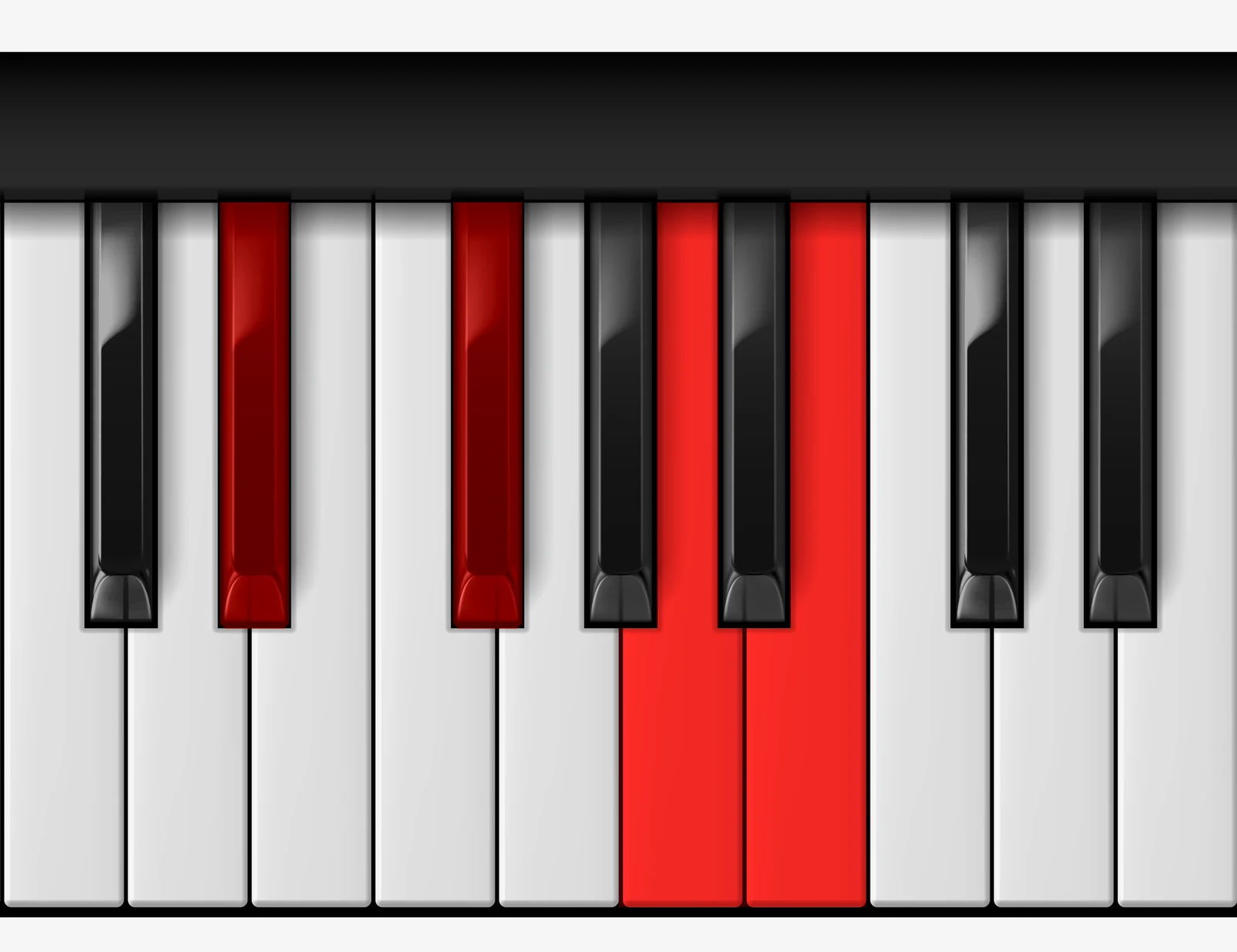
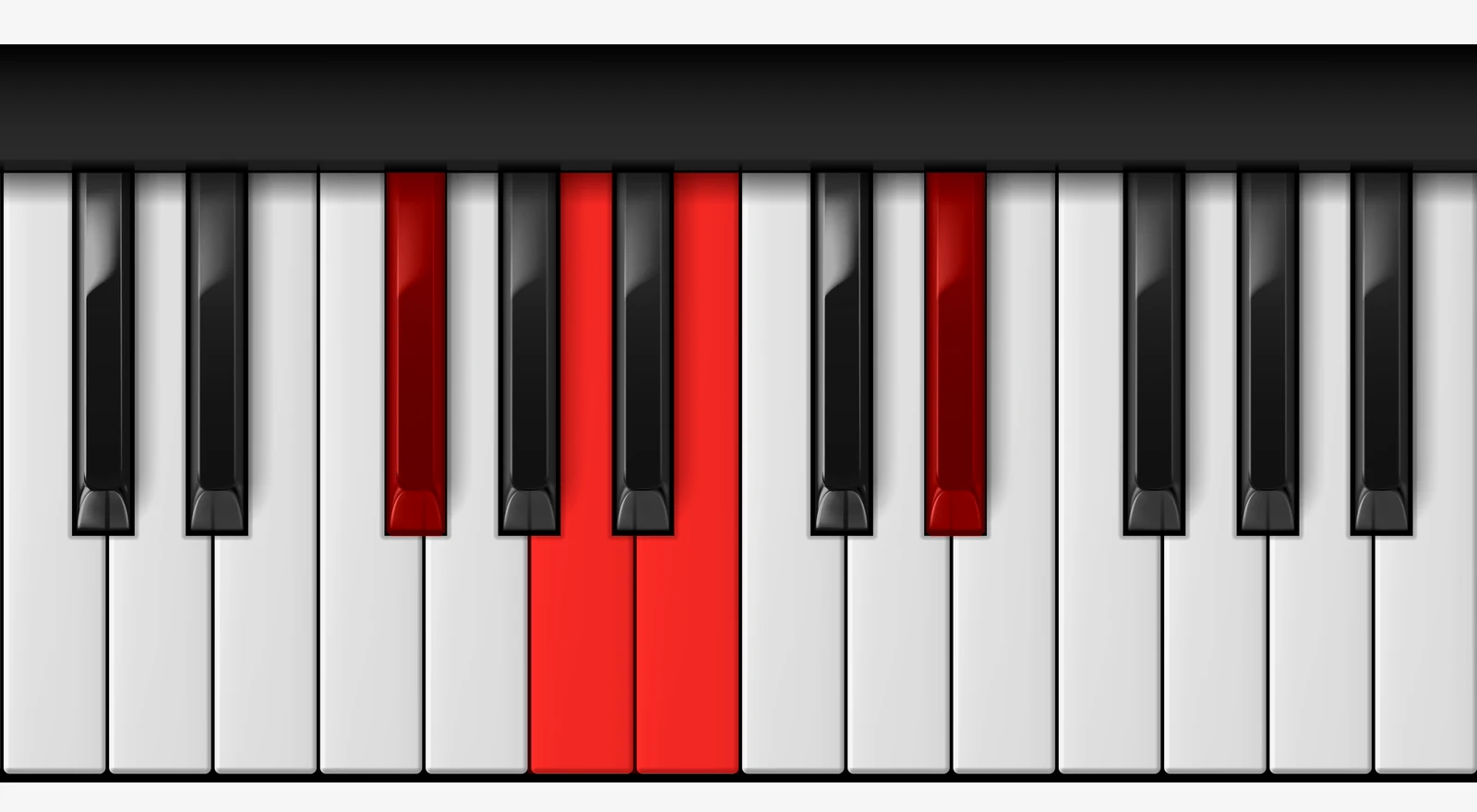
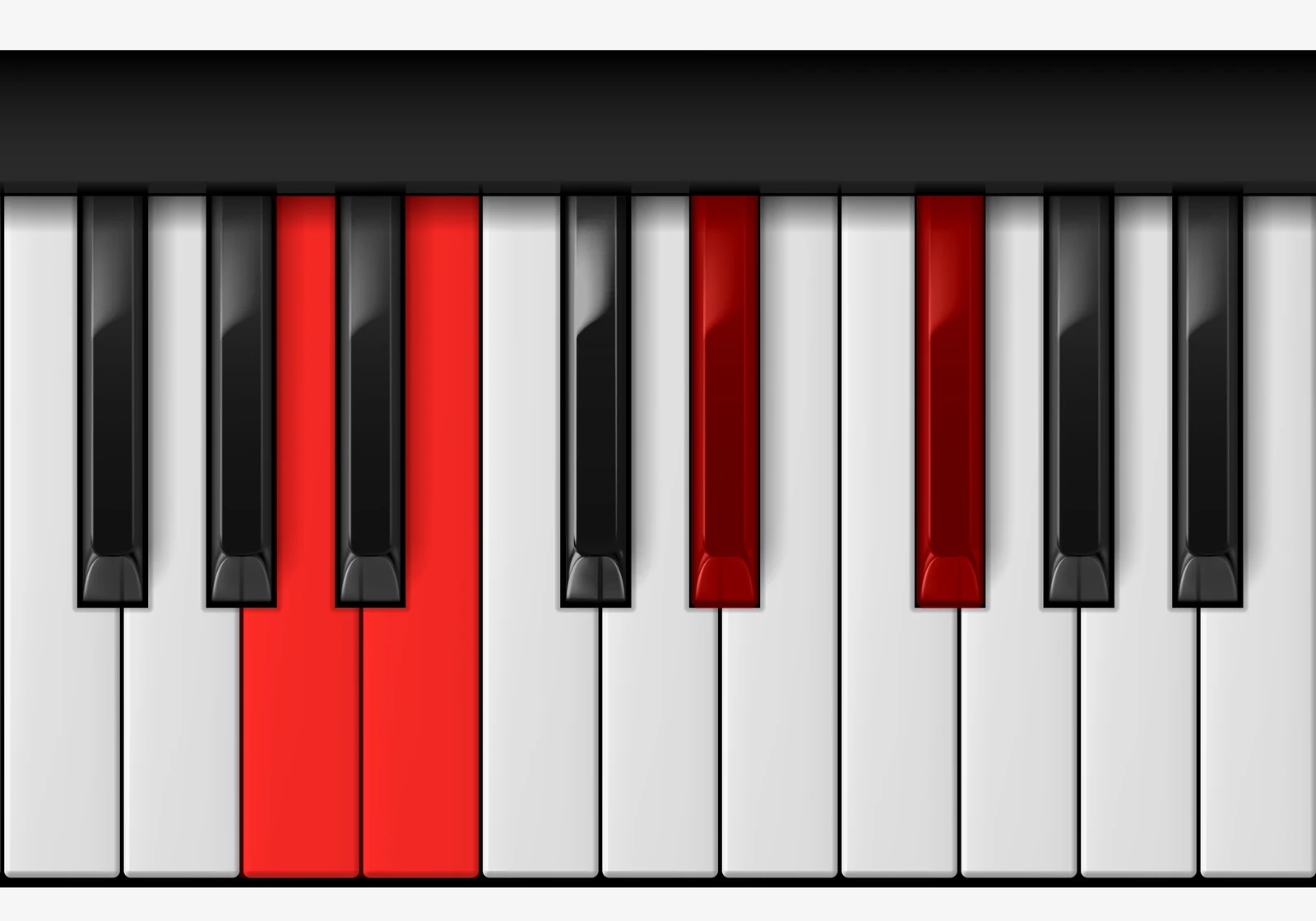
B Dominant 7th on the piano — Notes: B – D♯ – F♯ – A
B Dominant 7th chord on the piano

The B Dominant 7th chord is a four-note chord made up of B, D♯, F♯, and A. It is built from a root, major third, perfect fifth, and minor seventh.

The B Dominant 7th piano chord (B7) consists of the notes B, D#, F#, A. It is a major triad with an added minor 7th, giving it a bluesy, tense sound that strongly wants to resolve. Formula: R-M3-P5-m7 | Scale degrees: 1-3-5-b7.

Notes

Notes:B – D♯ – F♯ – A

B Dominant 7th Inversions

PositionNotes
Root PositionB – D♯ – F♯ – A
1st InversionD♯ – F♯ – A – B
2nd InversionF♯ – A – B – D♯
3rd InversionB – D♯ – F♯ – A

Key Signature

The key of B Dominant 7th has 5 sharps.

F♯C♯G♯D♯A♯

Order of sharps

Sharps are added to a key signature in a fixed order. Each new sharp key adds the next sharp on the list.

FCGDAEB

Mnemonic: Father Charles Goes Down And Ends Battle

Chords in the Key of B Major

These are the diatonic triads built on each degree of the B major scale:

C
D
E
F
G
A
B
C
D
E
F
G
A
B
IB Major (major)
DegreeNumeralChordQuality
1IB MajorMajor
2iiC♯ MinorMinor
3iiiD♯ MinorMinor
4IVE MajorMajor
5VF♯ MajorMajor
6viG♯ MinorMinor
7vii°A♯ DiminishedDiminished

Theory: Intervals

Formula: R-M3-P5-m7
Intervals: P1-M3-P5-m7

The B Dominant 7th is built by stacking intervals from the root note. The formula R-M3-P5-m7 describes the scale degrees used. The intervals P1-M3-P5-m7 show the distance between each note in the chord.

B Dominant 7th — Frequently Asked Questions

What notes are in the B Dominant 7th chord?
The B Dominant 7th chord (B7) contains four notes: B (root), D# (major third), F# (perfect fifth), and A (minor seventh). The major triad with a minor seventh creates the dominant 7th's characteristic bluesy tension.
How does B Dominant 7th differ from B Major?
B Major contains three notes: B, D#, F#. B Dominant 7th adds an A (minor seventh) on top. That single note transforms a stable chord into one with strong forward motion — it wants to resolve down a fifth to E Major.
What does 'dominant' mean in music theory?
'Dominant' refers to the fifth scale degree. The dominant 7th chord is built on the fifth note of a key and contains a tritone that creates strong pull toward resolution. B7 is the dominant chord in E Major, one of the most common keys in rock and blues.
How is B Dominant 7th used in music?
B7 resolves to E Major in a V7–I cadence. It is the V7 chord in a blues in E — the most popular blues key for guitar, which translates directly to piano. B7 appears constantly in rock, blues, and country music.
What songs use dominant 7th chords?
Dominant 7th chords are the backbone of blues and early rock: every chord in a standard 12-bar blues is a dominant 7th. Hit the Road Jack (Ray Charles), Ain't Misbehavin' (Fats Waller), and countless jazz standards rely on dominant 7th movement for their harmonic drive.
What is the tritone in B Dominant 7th?
The tritone in B7 is the interval between D# (the third) and A (the seventh) — exactly 6 semitones apart. This unstable interval gives B7 its strong pull toward E. The D# resolves up to E and the A resolves down to G#.

Practice Tips

  • Play B Major then add A — hear how that one note transforms a resolved chord into one that demands motion.
  • The tritone between D# and A is the engine of B7. Play just those two notes, then resolve: D# up to E, A down to G#. This is V7–I voice leading in E Major.
  • Practice the essential resolution: B7 → E Major. This is the turnaround chord in a blues in E — the most common blues key.
  • B7 is the V chord in a blues in E: E7–E7–E7–E7–A7–A7–E7–E7–B7–A7–E7–B7. Master this full 12-bar form.
  • Compare B7 with Bm7 — the major third (D#) in B7 gives it brightness and urgency, while the minor third in Bm7 creates a mellow, jazzy quality.
  • Rootless voicing: play D#–F#–A without the B root — this sparse voicing works well for jazz comping when a bassist covers the root.

Related Tools

Chord FinderLook up any chord — see the notes, hear it, and play along.Chord DrillTimed drills to build speed and recognition across all chord types.Practice RoomPlug in a MIDI keyboard and get real-time feedback on every chord and scale.Circle of FifthsVisualize key relationships, relative minors, and key signatures.MIDI MonitorLive MIDI message stream with note names, velocity, and a scrolling staff.