The D♯ Diminished chord is a three-note chord made up of D♯, F♯, and A. It is built from a root, minor third, and diminished fifth.
Construction
D♯ Diminished = Root + Minor 3rd + Diminished 5th = D♯ · F♯ · A
| Note | Interval | Degree |
|---|---|---|
| D♯ | Root | 1 |
| F♯ | Minor 3rd | ♭3 |
| A | Diminished 5th | ♭5 |
D♯ Diminished Inversions
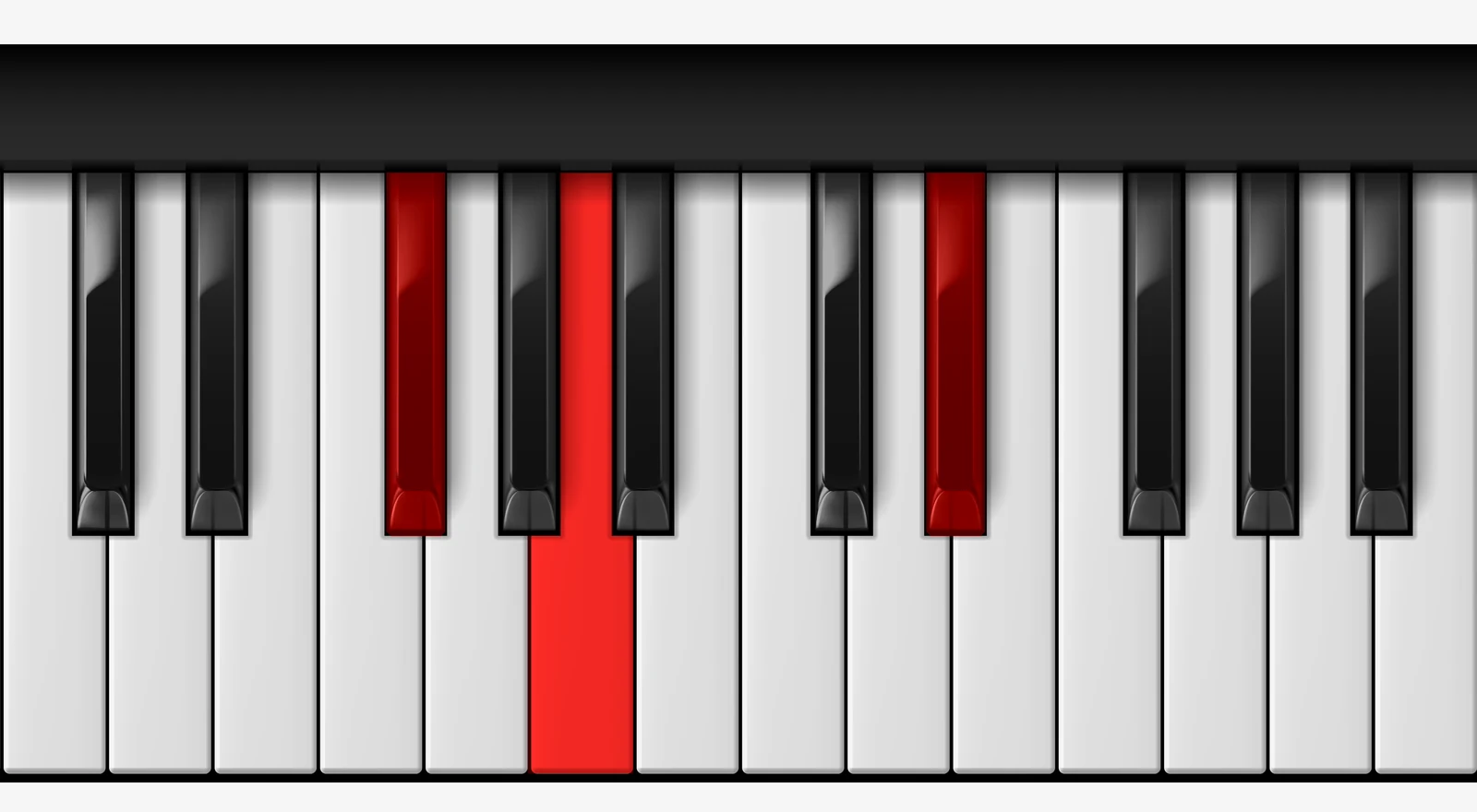
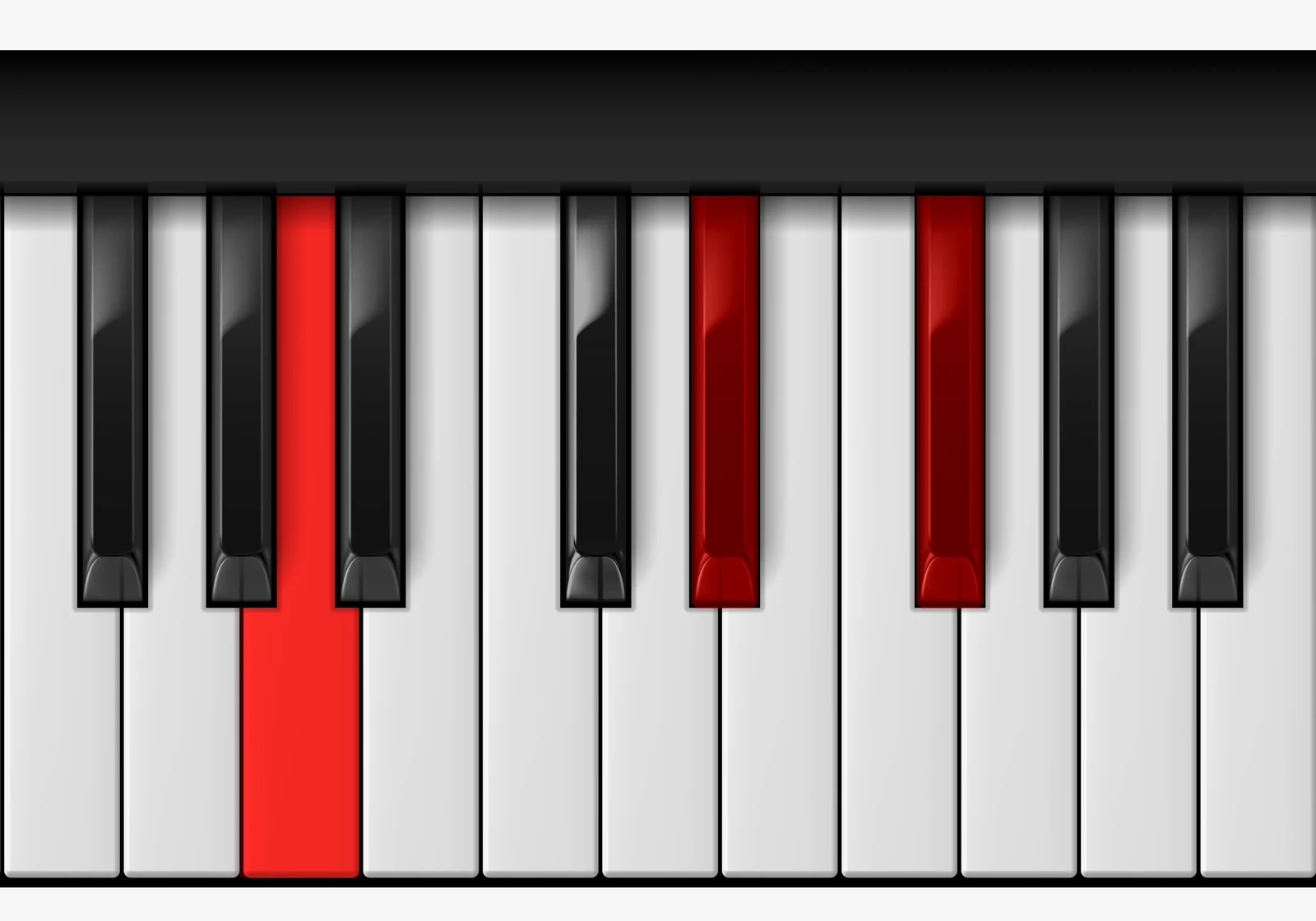
| Position | Notes |
|---|---|
| Root Position | D♯ – F♯ – A |
| 1st Inversion | F♯ – A – D♯ |
| 2nd Inversion | A – D♯ – F♯ |
Key Signature
A Diminished chord is built from symmetrical or ambiguous intervals, so it doesn’t belong to a single key and has no key signature of its own.
How D♯ Diminished functions in a key
The same chord takes on a different harmonic role depending on the key it appears in. Here is where D♯ Diminished sits diatonically across the common keys:
- In E major, D♯ Diminished is the vii° chord — the dominant.
- In C♯ minor, D♯ Diminished is the ii° chord — a predominant.
D♯ Diminished — Frequently Asked Questions
What is the D♯ Diminished chord on piano?
The D♯ Diminished chord contains the notes D♯ – F♯ – A. On piano, play these notes together to sound the chord.
What notes are in the D# Diminished chord?
The D# Diminished chord contains: D# (root), F# (minor third), and A (diminished fifth). Both intervals are compressed: the minor third is 3 semitones above the root, and the diminished fifth is 6 semitones — a tritone.
How does D# Diminished differ from D# Minor?
D# Minor has a perfect fifth. D# Diminished lowers the fifth by one semitone to A (diminished fifth). That extra compression creates intense harmonic tension — the tritone between root and diminished fifth is the most dissonant interval in Western music.
What is the symbol for the D# Diminished?
D# Diminished is written as D#dim or D#°. The ° or "dim" symbol means both the third and fifth are minor/diminished. Do not confuse with D#dim7 or D#ø (half-diminished), which include additional notes.
What are the inversions of D# Diminished?
First inversion (D# Diminished/F#): F#–A–D#. Second inversion (D# Diminished/A): A–D#–F#. Diminished triads are used in classical music as the vii° chord — the chord one semitone below the tonic, with strong resolution pull.
How is D# Diminished used in music?
D# Diminished most commonly functions as the vii° chord in a major key, creating strong resolution back to the tonic. It also works as a chromatic passing chord between two nearby chords, and in classical music as a brief point of dissonance. Jazz uses the full four-note dim7 more often than the triad.
What songs use diminished chords?
Michelle (Beatles) uses a diminished chord as a chromatic passing chord. Many classical pieces use vii°–I cadences. Jazz standards use dim7 chords as chromatic passing and approach chords. Diminished harmony also appears in flamenco and film music for dramatic tension.