The C Add 9 chord is a four-note chord made up of C, E, G, and D. It is built from a root, major third, perfect fifth, and major ninth.
Construction
C Add 9 = Root + Major 3rd + Perfect 5th + Major 2nd = C · E · G · D
| Note | Interval | Degree |
|---|---|---|
| C | Root | 1 |
| E | Major 3rd | 3 |
| G | Perfect 5th | 5 |
| D | Major 2nd | 2 |
C Add 9 Inversions
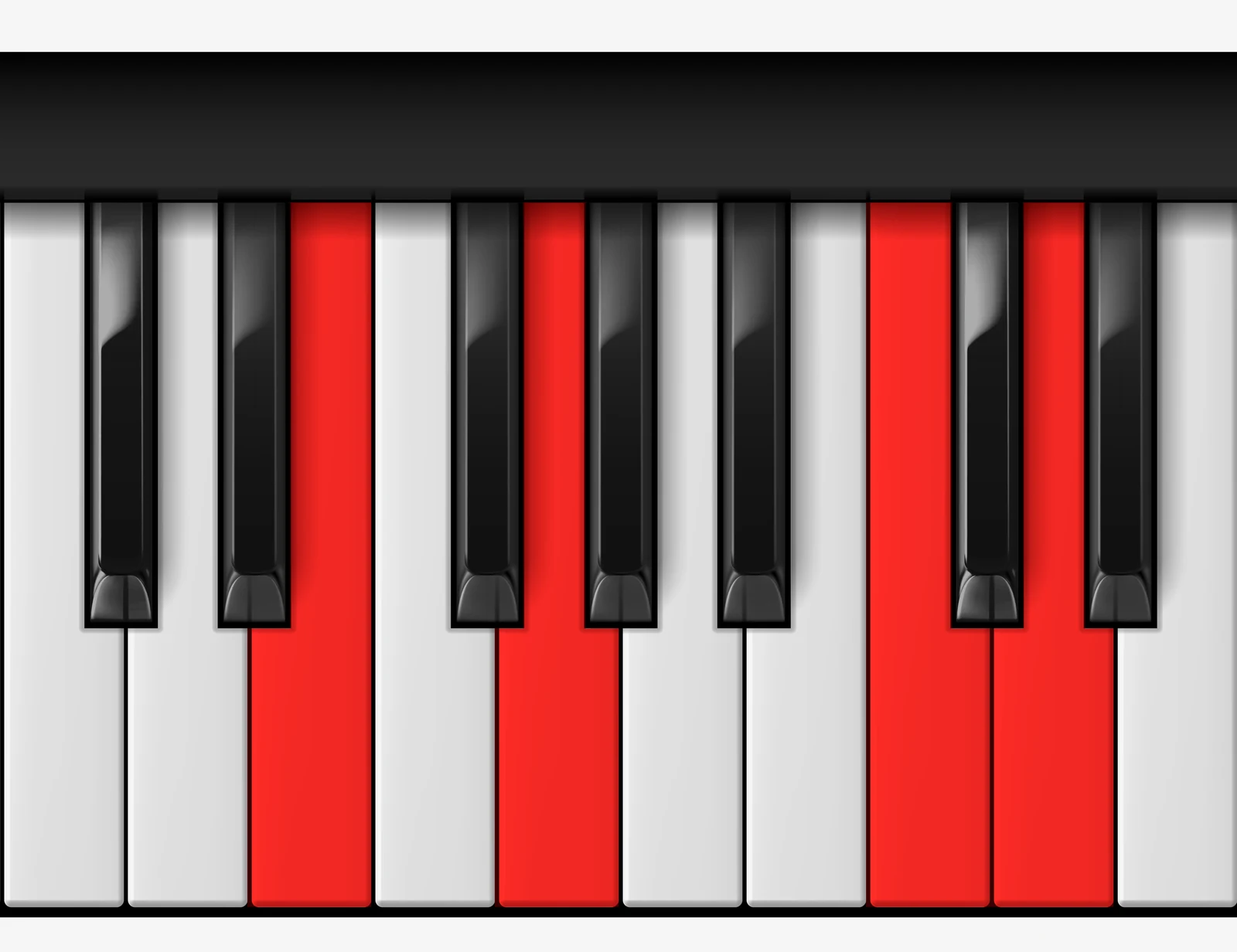
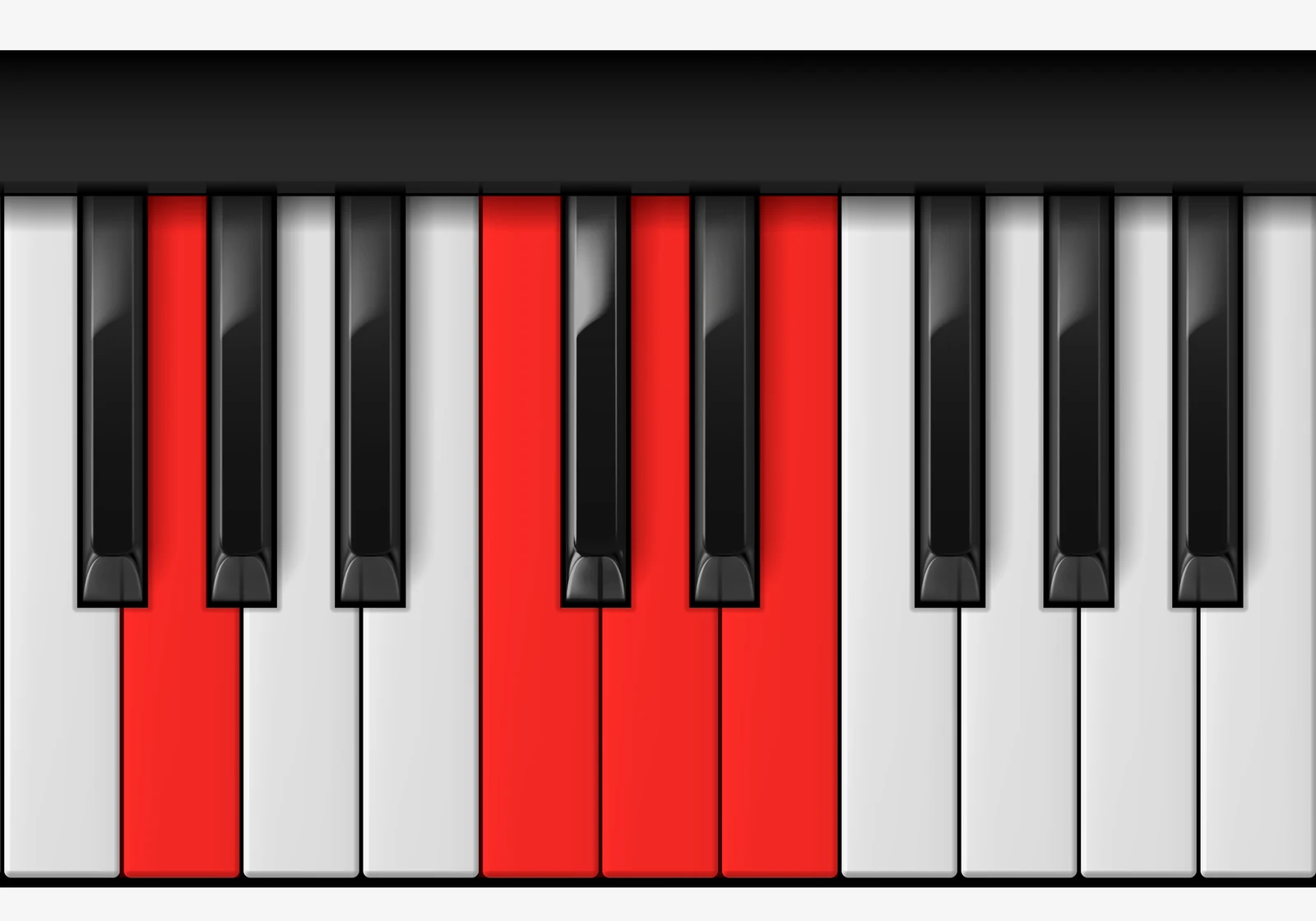
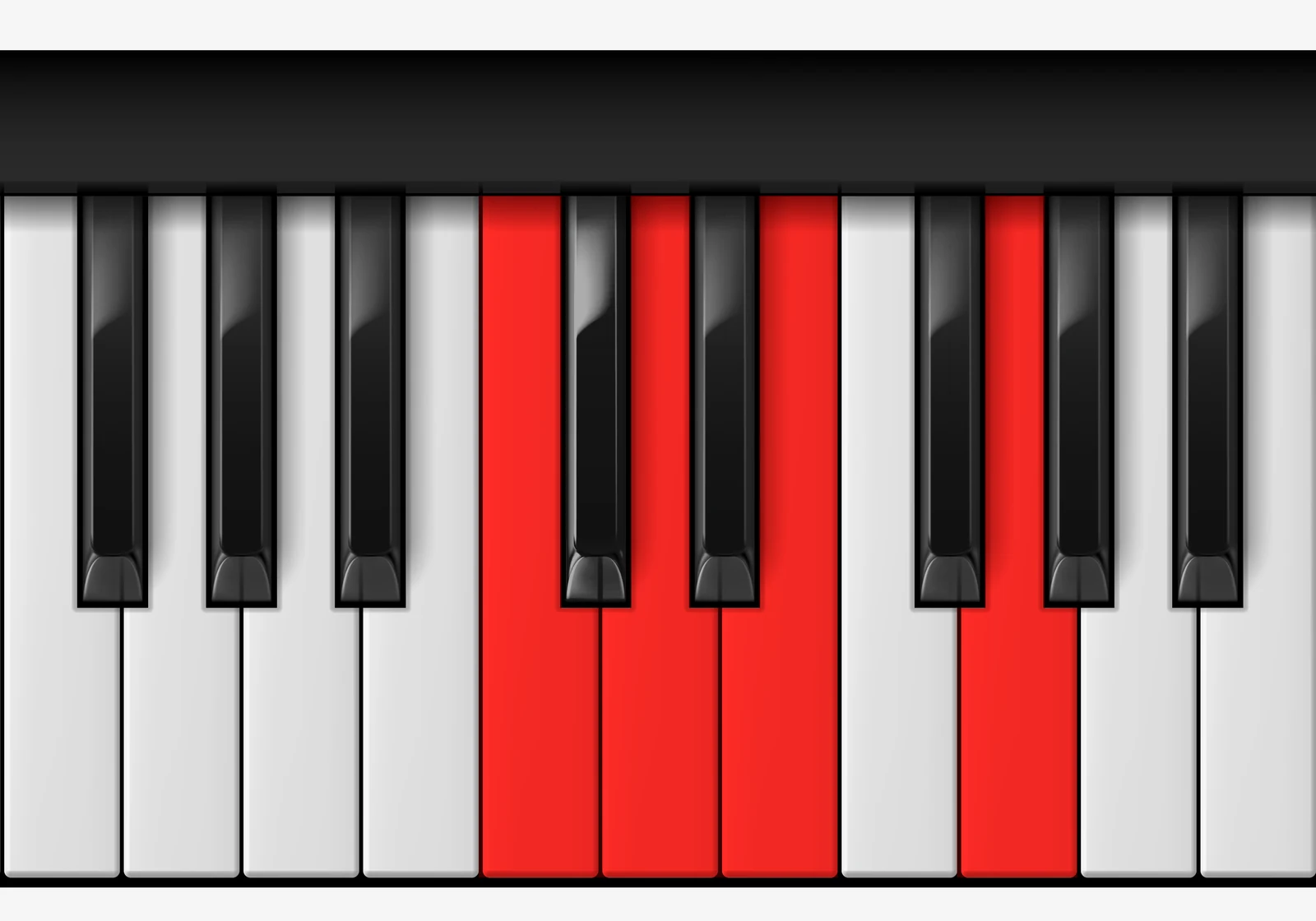
| Position | Notes |
|---|---|
| Root Position | C – E – G – D |
| 1st Inversion | E – G – C – D |
| 2nd Inversion | G – C – D – E |
| 3rd Inversion | C – D – E – G |
Key Signature
A chord has no key signature of its own, but the C Add 9 is the tonic (I) chord of C Major, whose key signature has no sharps or flats.
Chords in the Key of C Major
These are the triads built on each degree of the C major scale:
Same Notes, Other Names
The notes C – E – G – D aren’t exclusive to this chord. Depending on which note is the bass and how the chord functions, the same pitches also spell:
C Add 9 — Frequently Asked Questions
What is the C Add 9 chord on piano?
The C Add 9 chord contains the notes C – E – G – D. On piano, play these notes together to sound the chord.
What notes are in the C Add 9 chord?
The C Add 9 chord (Cadd9) contains four notes: C (root), E (major third), G (perfect fifth), and D (major ninth). Unlike C9, there is no seventh — the ninth is added directly to the major triad, giving it a bright, open, shimmering quality.
How does Cadd9 differ from C9?
Cadd9 is a major triad plus a ninth (C–E–G–D, no seventh). C9 is a dominant chord that includes the minor seventh (C–E–G–Bb–D). Cadd9 sounds open and bright; C9 sounds bluesy and tense. The presence or absence of the seventh completely changes the function.
How does Cadd9 differ from Csus2?
Both contain C, D, and G. But Cadd9 also has E (the major third), while Csus2 replaces the third with D. Cadd9 has a clear major quality with added colour; Csus2 is ambiguous with no major or minor identity.
How is Cadd9 used in music?
Cadd9 is one of the most popular chords in pop, rock, and acoustic music. It can substitute for any C Major chord to add shimmer and openness. It appears in intro riffs, verse patterns, and anywhere a bright, modern major sound is wanted.
What songs use add9 chords?
Add9 chords are everywhere in pop and rock: Wonderwall (Oasis) uses add9 shapes throughout. Good Riddance (Green Day), Yellow (Coldplay), and many acoustic songs use add9 for its bright, jangly quality. It is one of the most recognisable sounds in modern guitar and piano pop.
Can I substitute Cadd9 for C Major?
Yes — almost always. Cadd9 works as a drop-in replacement for C Major in most pop, rock, and folk contexts. The added ninth (D) provides colour without changing the harmonic function. It rarely clashes with melodies because D is a common scale tone in C Major.