The D Add 9 chord is a four-note chord made up of D, F♯, A, and E. It is built from a root, major third, perfect fifth, and major ninth.
Construction
D Add 9 = Root + Major 3rd + Perfect 5th + Major 2nd = D · F♯ · A · E
| Note | Interval | Degree |
|---|---|---|
| D | Root | 1 |
| F♯ | Major 3rd | 3 |
| A | Perfect 5th | 5 |
| E | Major 2nd | 2 |
D Add 9 Inversions
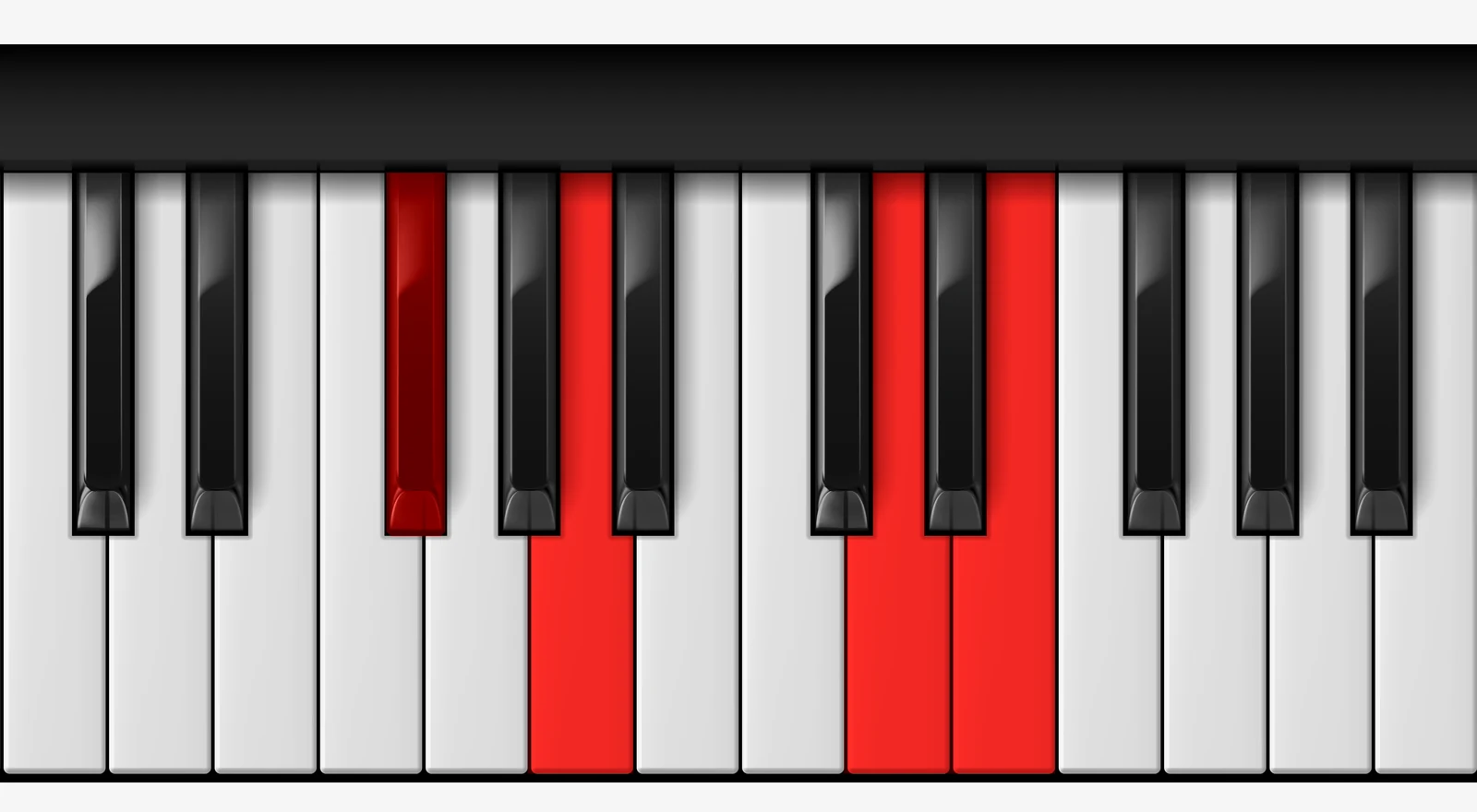
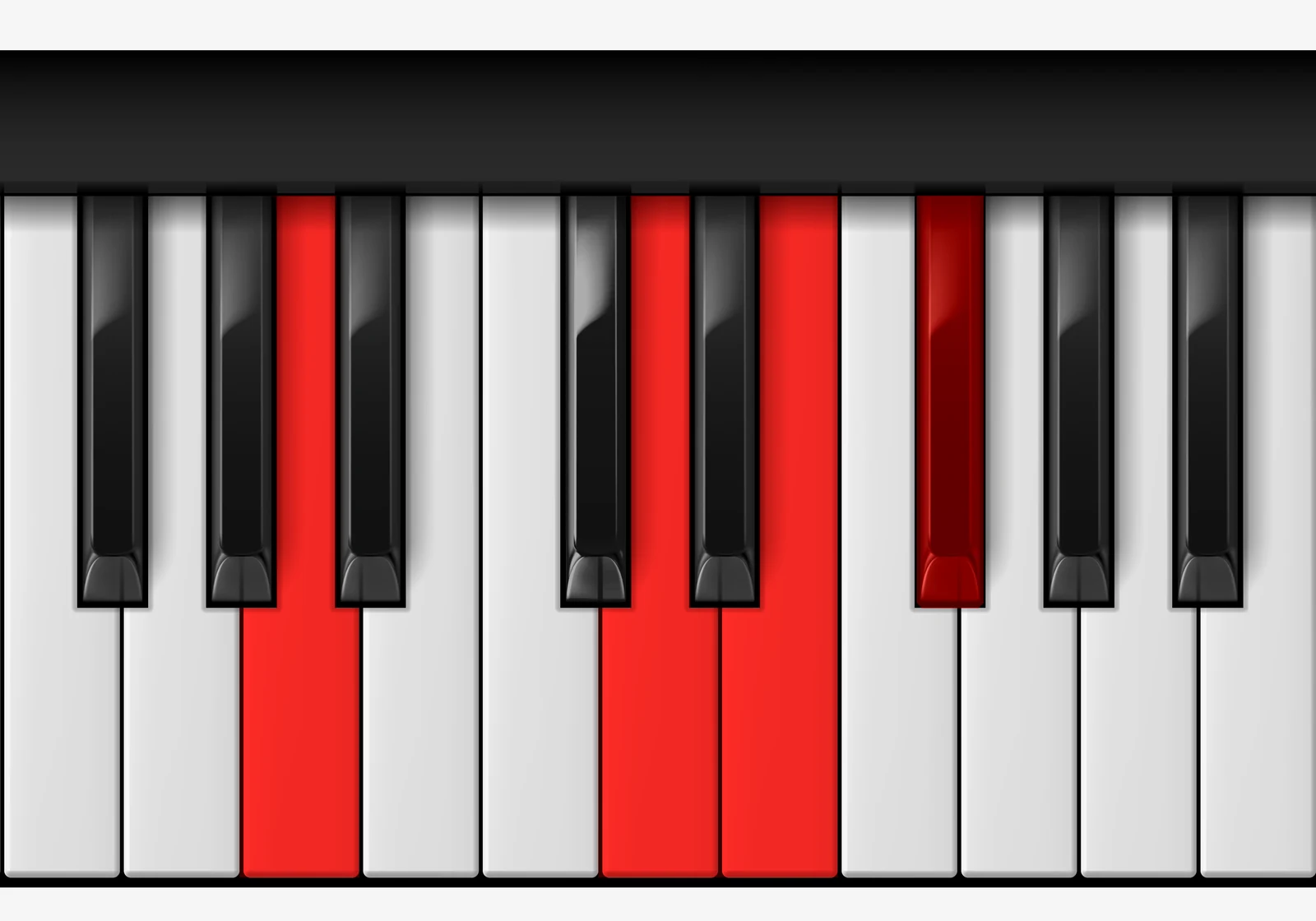
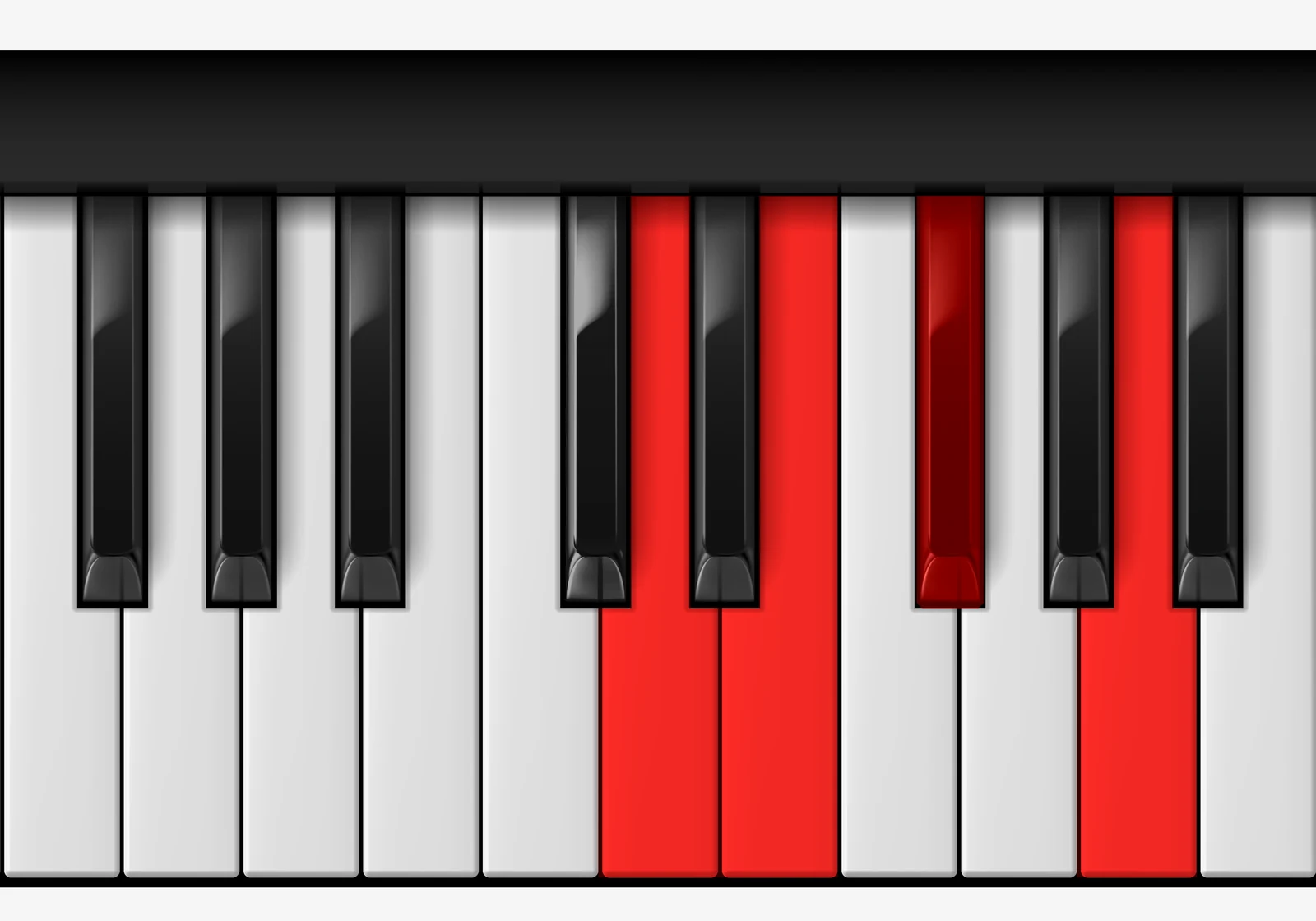
| Position | Notes |
|---|---|
| Root Position | D – F♯ – A – E |
| 1st Inversion | F♯ – A – D – E |
| 2nd Inversion | A – D – E – F♯ |
| 3rd Inversion | D – E – F♯ – A |
Key Signature
A chord has no key signature of its own, but the D Add 9 is the tonic (I) chord of D Major, whose key signature has 2 sharps (F♯, C♯).
F♯C♯
Order of sharps
Sharps are added to a key signature in a fixed order. Each new sharp key adds the next sharp on the list.
F♯C♯G♯D♯A♯E♯B♯
Mnemonic: Father Charles Goes Down And Ends Battle
Chords in the Key of D Major
These are the triads built on each degree of the D major scale:
Same Notes, Other Names
The notes D – F♯ – A – E aren’t exclusive to this chord. Depending on which note is the bass and how the chord functions, the same pitches also spell:
D Add 9 — Frequently Asked Questions
What is the D Add 9 chord on piano?
The D Add 9 chord contains the notes D – F♯ – A – E. On piano, play these notes together to sound the chord.
What notes are in the D Add 9 chord?
The D Add 9 chord (Dadd9) contains four notes: D (root), F# (major third), A (perfect fifth), and E (major ninth). No seventh — the ninth is added directly to the major triad for a bright, open sound.
How does Dadd9 differ from D9?
Dadd9 has no seventh (D–F#–A–E). D9 includes the minor seventh (D–F#–A–C–E). Dadd9 is bright and open; D9 is bluesy and dominant.
How is Dadd9 used in music?
Dadd9 is one of the most popular acoustic chords. It substitutes for D Major in pop, rock, and folk. The open E string on guitar means Dadd9 is heard in countless acoustic songs.
What songs use add9 chords?
Add9 chords appear in Wonderwall (Oasis), Good Riddance (Green Day), Yellow (Coldplay), and many acoustic songs. Dadd9 is particularly common in acoustic guitar-driven music.
How does Dadd9 differ from Dsus2?
Both contain D and E. But Dadd9 keeps F# (major third), while Dsus2 replaces it with E. Dadd9 is major with colour; Dsus2 is ambiguous.
Can I substitute Dadd9 for D Major?
Yes — Dadd9 replaces D Major beautifully in almost any context. The added ninth (E) provides shimmer without changing function.