The G♯ Minor 7th chord is a four-note chord made up of G♯, B, D♯, and F♯. It is built from a root, minor third, perfect fifth, and minor seventh.
Construction
| Note | Interval | Degree |
|---|---|---|
| G♯ | Root | 1 |
| B | Minor 3rd | ♭3 |
| D♯ | Perfect 5th | 5 |
| F♯ | Minor 7th | ♭7 |
G♯ Minor 7th Inversions
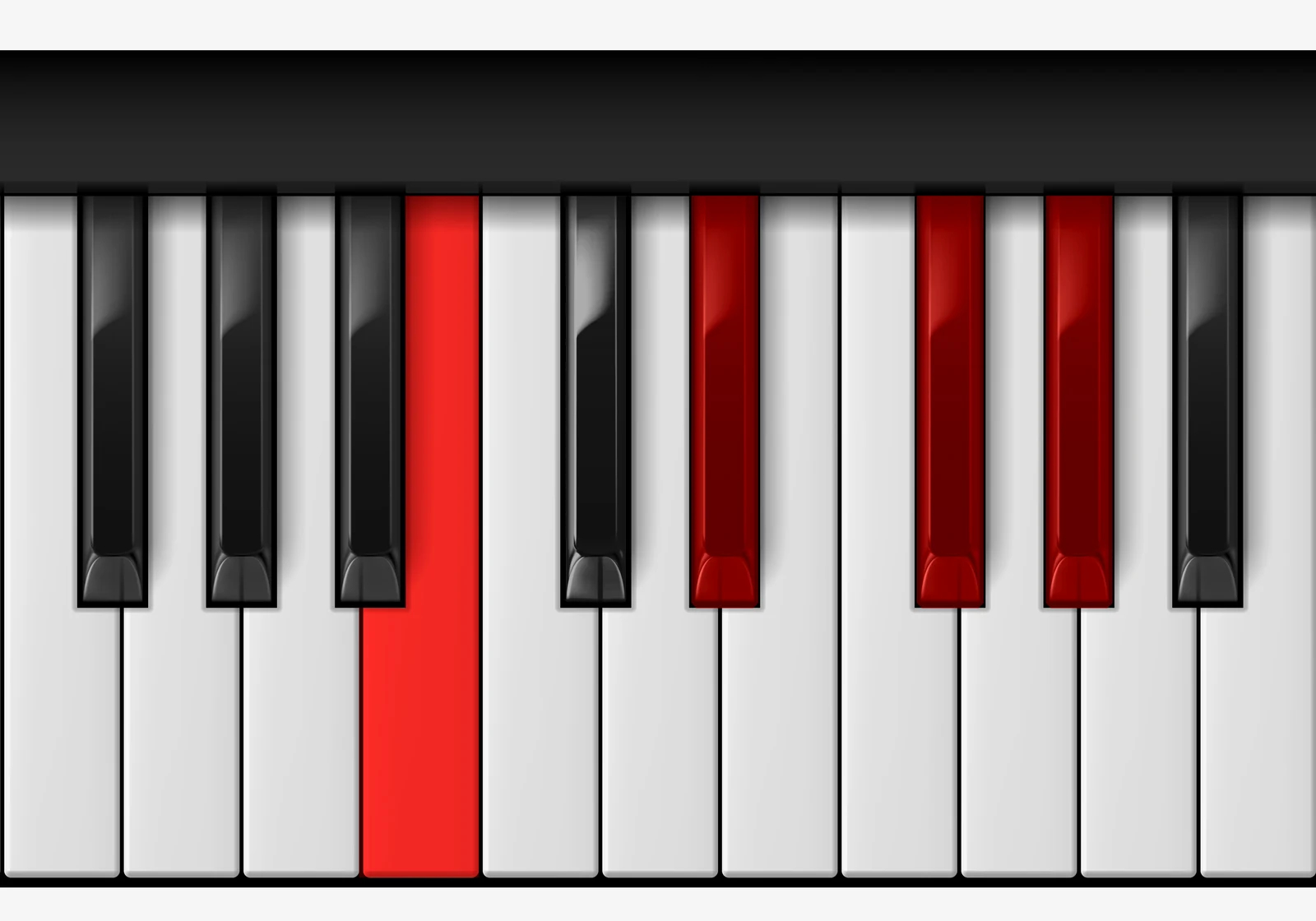
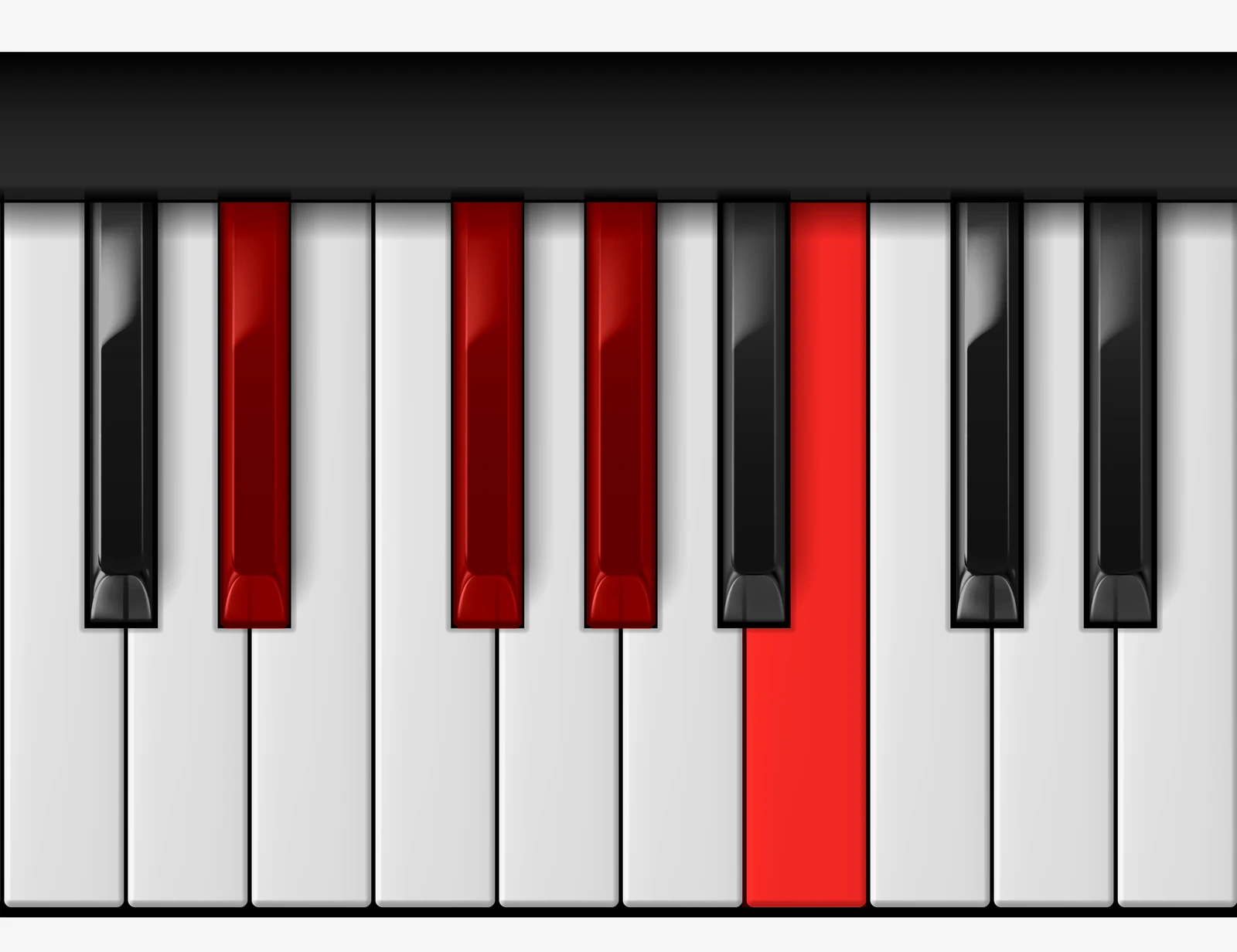
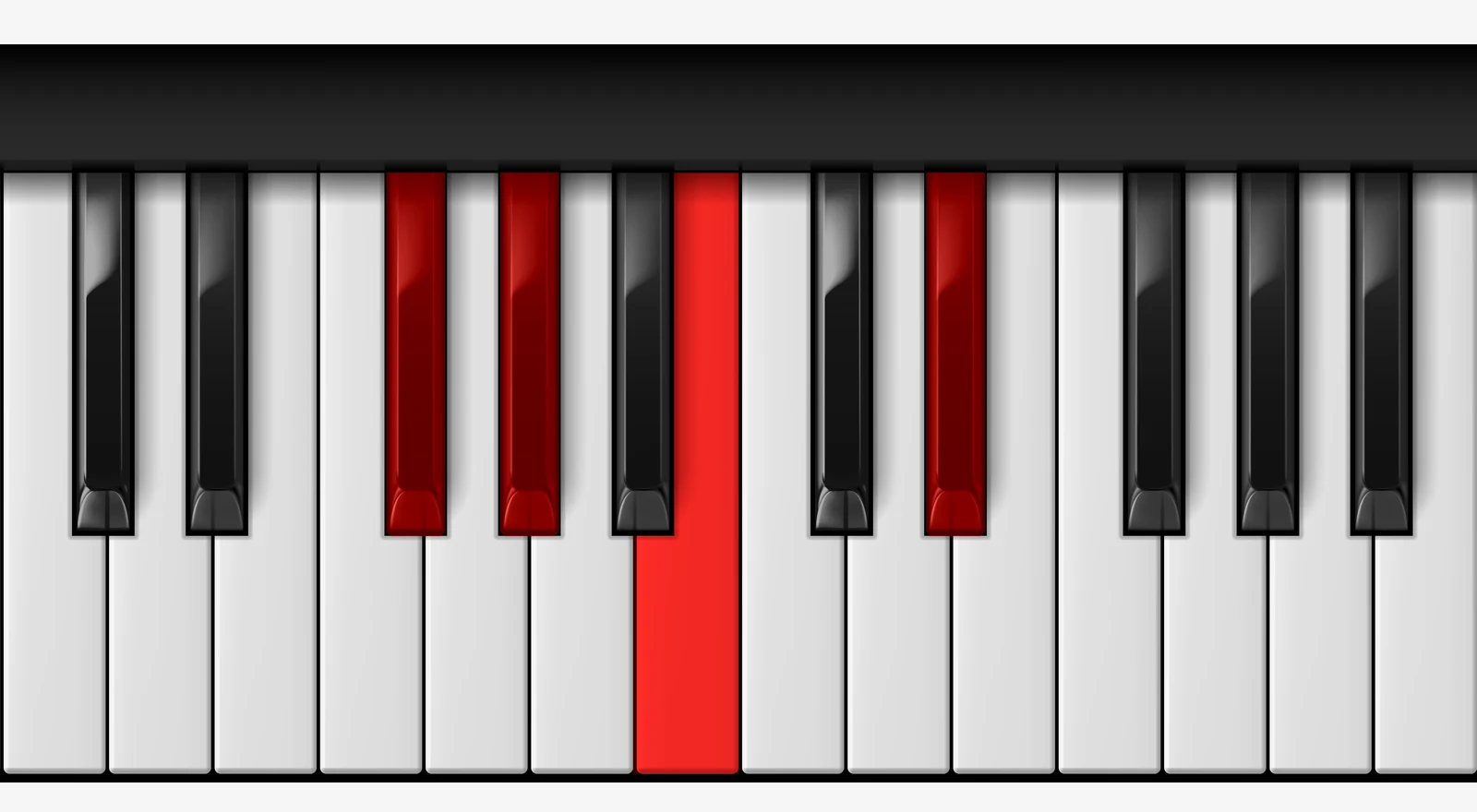
| Position | Notes |
|---|---|
| Root Position | G♯ – B – D♯ – F♯ |
| 1st Inversion | B – D♯ – F♯ – G♯ |
| 2nd Inversion | D♯ – F♯ – G♯ – B |
| 3rd Inversion | F♯ – G♯ – B – D♯ |
Key Signature
A chord has no key signature of its own, but the G♯ Minor 7th is the tonic (i) chord of G# Minor, which shares the signature of its relative major, B Major — 5 sharps (F♯, C♯, G♯, D♯, A♯).
Order of sharps
Sharps are added to a key signature in a fixed order. Each new sharp key adds the next sharp on the list.
Mnemonic: Father Charles Goes Down And Ends Battle
Chords in the Key of G♯ Minor
These are the triads built on each degree of the G♯ minor scale:
How G♯ Minor 7th functions in a key
The same chord takes on a different harmonic role depending on the key it appears in. Here is where G♯ Minor 7th sits diatonically across the common keys:
- In B major, G♯ Minor 7th is the vi chord — the tonic.
- In G♯ minor, G♯ Minor 7th is the i chord — the tonic.
- In F♯ major, G♯ Minor 7th is the ii chord — a predominant.
- In D♯ minor, G♯ Minor 7th is the iv chord — a predominant.
- In E major, G♯ Minor 7th is the iii chord — a mediant / color chord.
- In C♯ minor, G♯ Minor 7th is the v chord.
Same Notes, Other Names
The notes G♯ – B – D♯ – F♯ aren’t exclusive to this chord. Depending on which note is the bass and how the chord functions, the same pitches also spell: