The G Augmented 7th chord is a four-note chord made up of G, B, D♯, and F. It is built from a root, major third, augmented fifth, and minor seventh.
Construction
G Augmented 7th = Root + Major 3rd + Minor 6th + Minor 7th = G · B · D♯ · F
| Note | Interval | Degree |
|---|---|---|
| G | Root | 1 |
| B | Major 3rd | 3 |
| D♯ | Minor 6th | ♯5 |
| F | Minor 7th | ♭7 |
G Augmented 7th Inversions
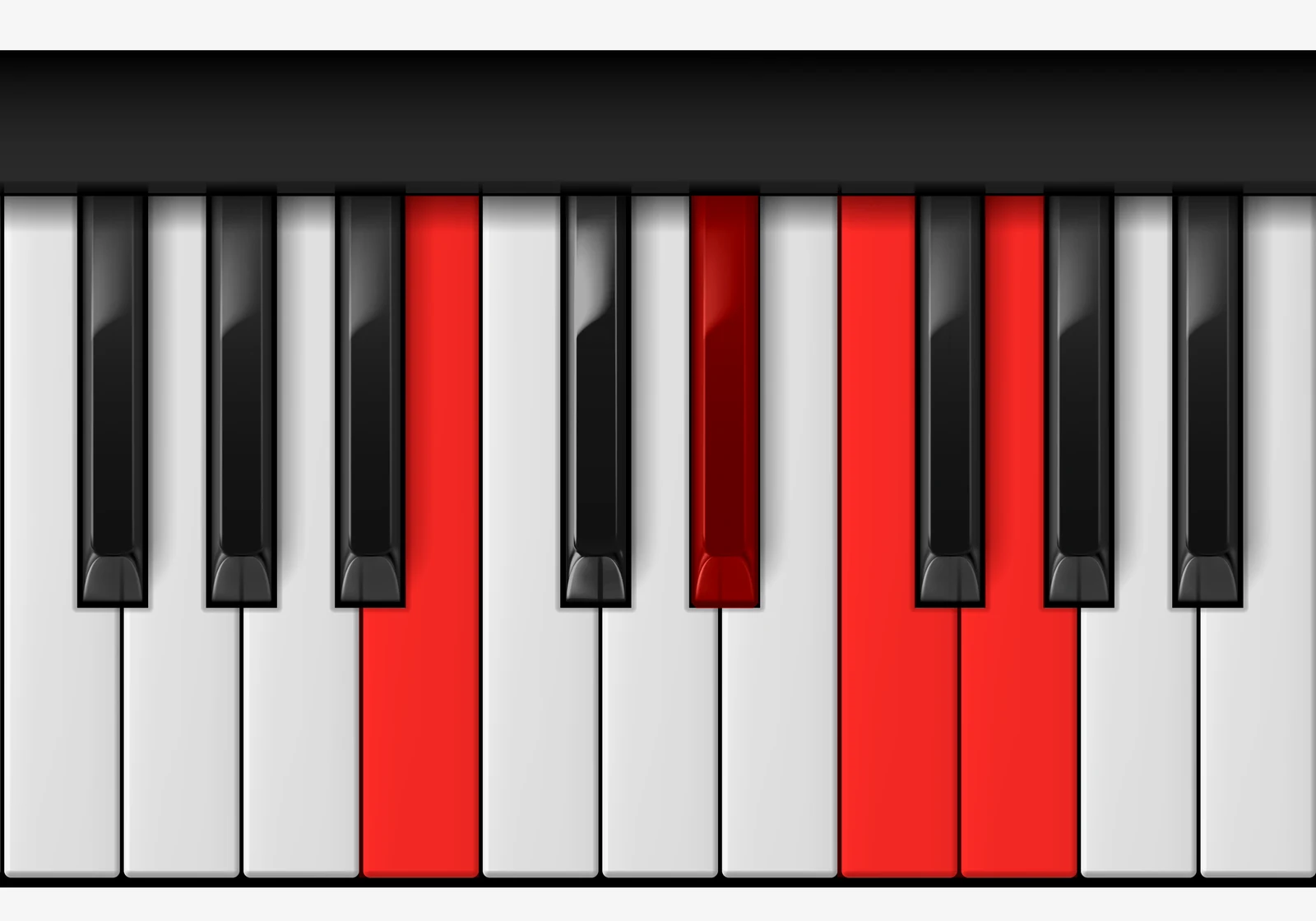
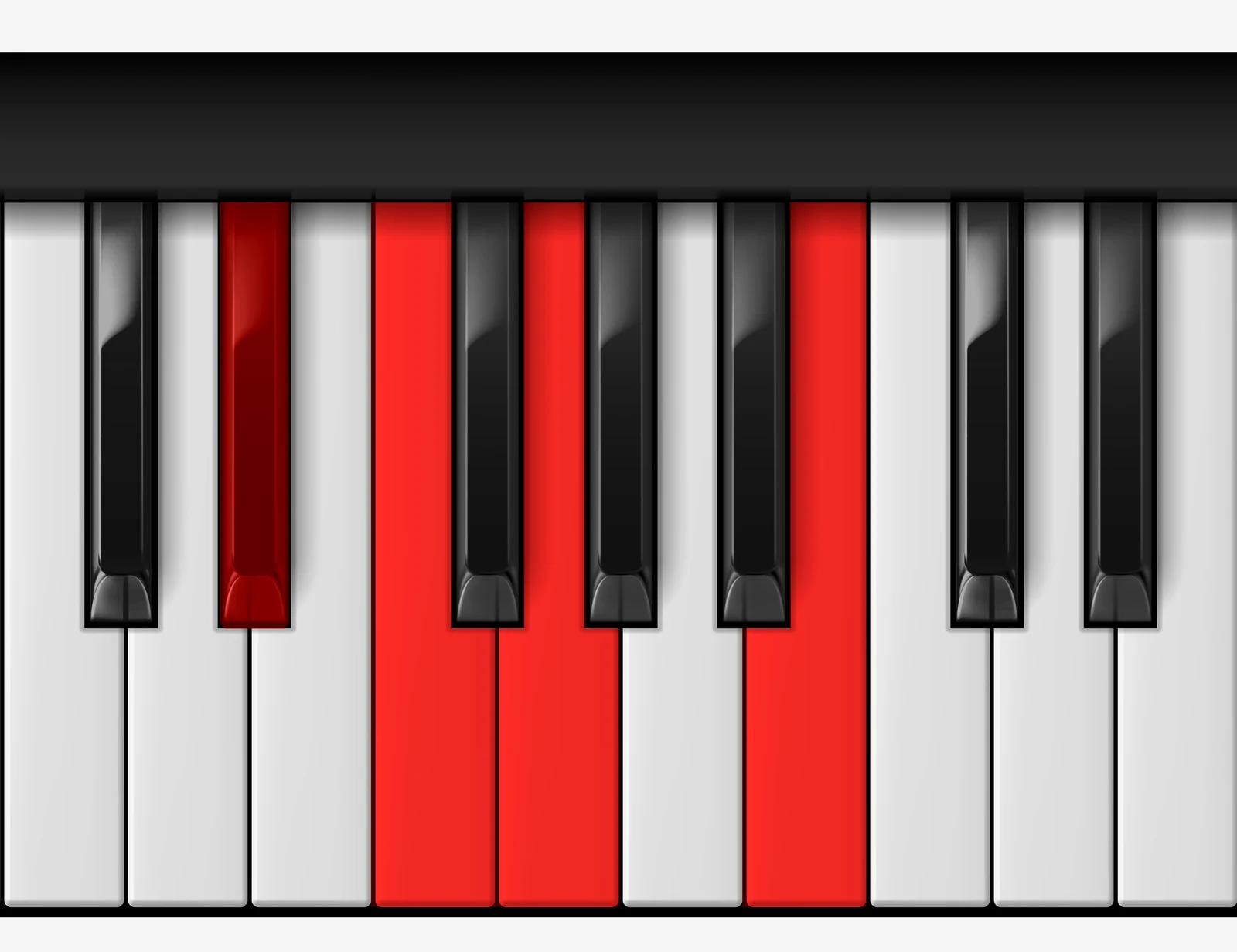
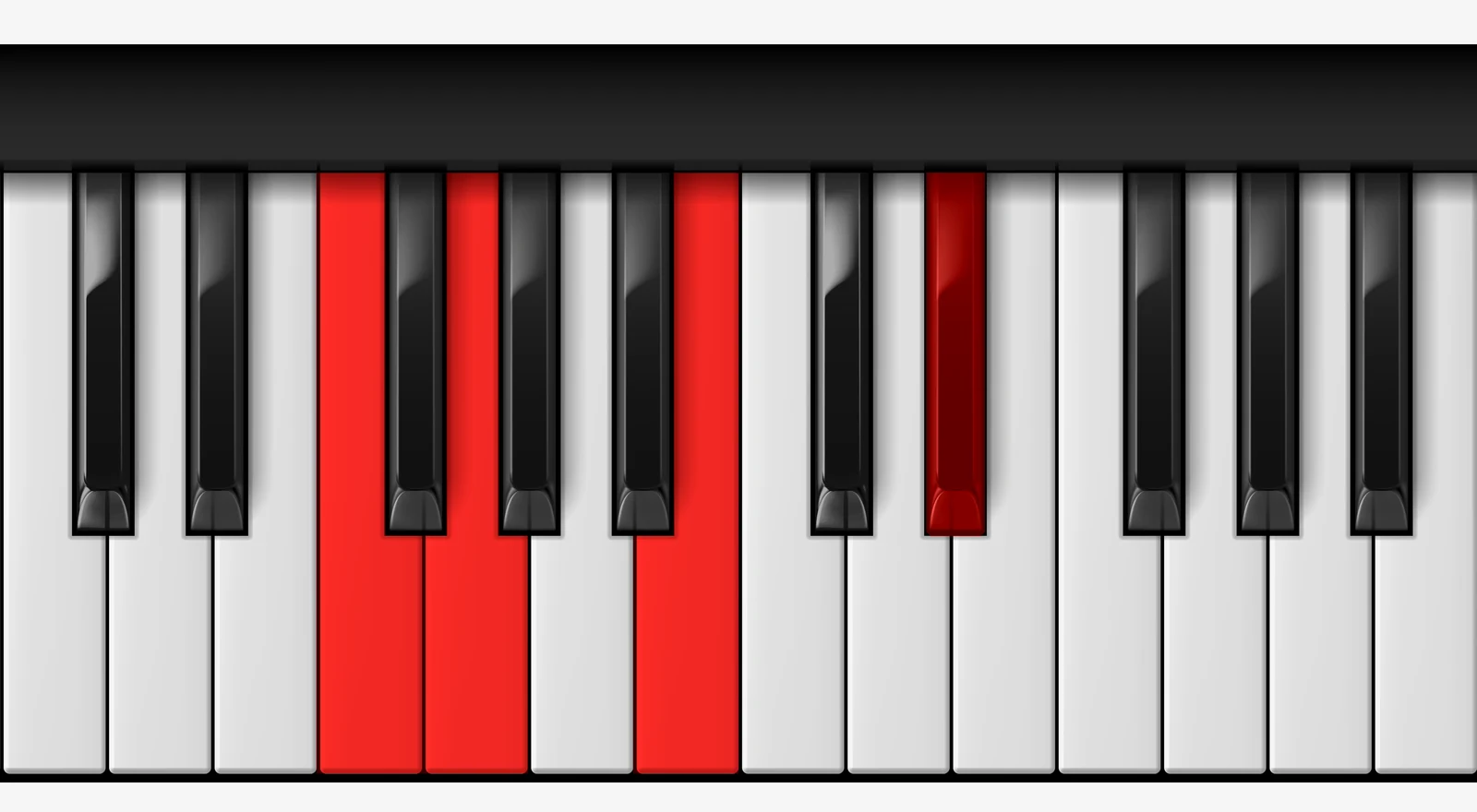
| Position | Notes |
|---|---|
| Root Position | G – B – D♯ – F |
| 1st Inversion | B – D♯ – F – G |
| 2nd Inversion | D♯ – F – G – B |
| 3rd Inversion | F – G – B – D♯ |
Key Signature
A Augmented 7th chord is built from symmetrical or ambiguous intervals, so it doesn’t belong to a single key and has no key signature of its own.
Same Notes, Other Names
The notes G – B – D♯ – F aren’t exclusive to this chord. Depending on which note is the bass and how the chord functions, the same pitches also spell:
G Augmented 7th — Frequently Asked Questions
What is the G Augmented 7th chord on piano?
The G Augmented 7th chord contains the notes G – B – D♯ – F. On piano, play these notes together to sound the chord.
What notes are in the G Augmented 7th chord?
The G Augmented 7th chord (G+7) contains four notes: G (root), B (major third), D# (augmented fifth), and F (minor seventh). It combines an augmented triad with a minor seventh.
How does G Augmented 7th differ from G Dominant 7th?
Both contain G, B, and F. G+7 has D# (augmented fifth) while G7 has D (perfect fifth). The raised fifth adds chromatic tension and upward pull.
How is G Augmented 7th used in music?
G+7 is an altered dominant resolving to C Major — the most common key in music. The D# pulls up to E while F pulls down to E, converging on the third of C. This makes G+7 one of the most useful augmented 7th chords.
What genres use Augmented 7th chords?
Augmented 7th chords are common in jazz, gospel, blues, and R&B. G+7 is particularly useful because it resolves to C Major, the most common key.
What songs use Augmented 7th chords?
Augmented 7th chords appear in jazz standards and gospel. G+7 resolving to C appears in many jazz and pop contexts.
What is the difference between +7 and 7#5?
They are the same chord. G+7, G7#5, and Gaug7 all refer to G Augmented 7th.