Skip to content

E Minor 7th

Hear the E Minor 7th chord played for you.

Em7
E – G – B – D
Formula:R-m3-P5-m7
Intervals:P1-m3-P5-m7
Scale Degrees:1-b3-5-b7

Introduction

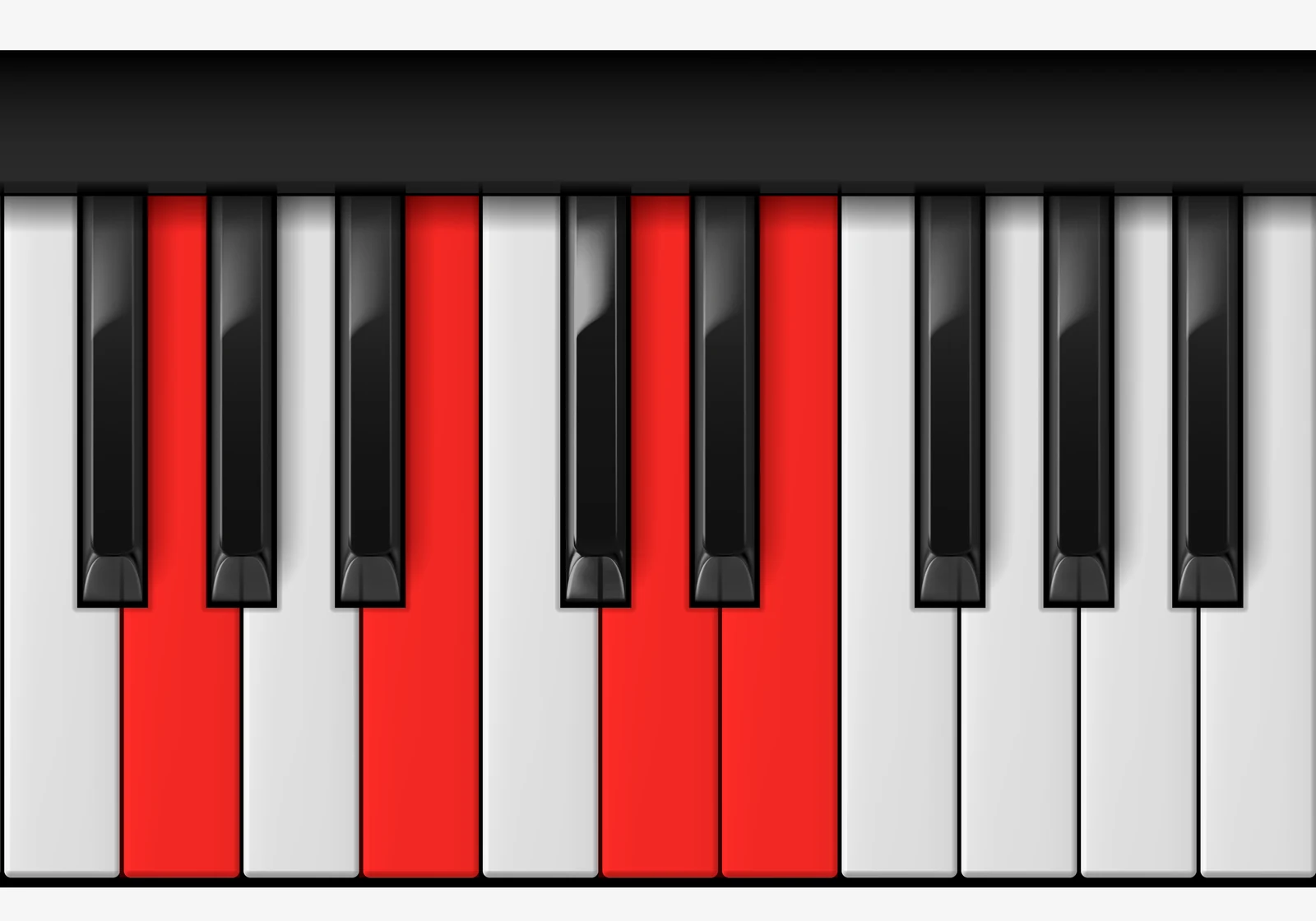
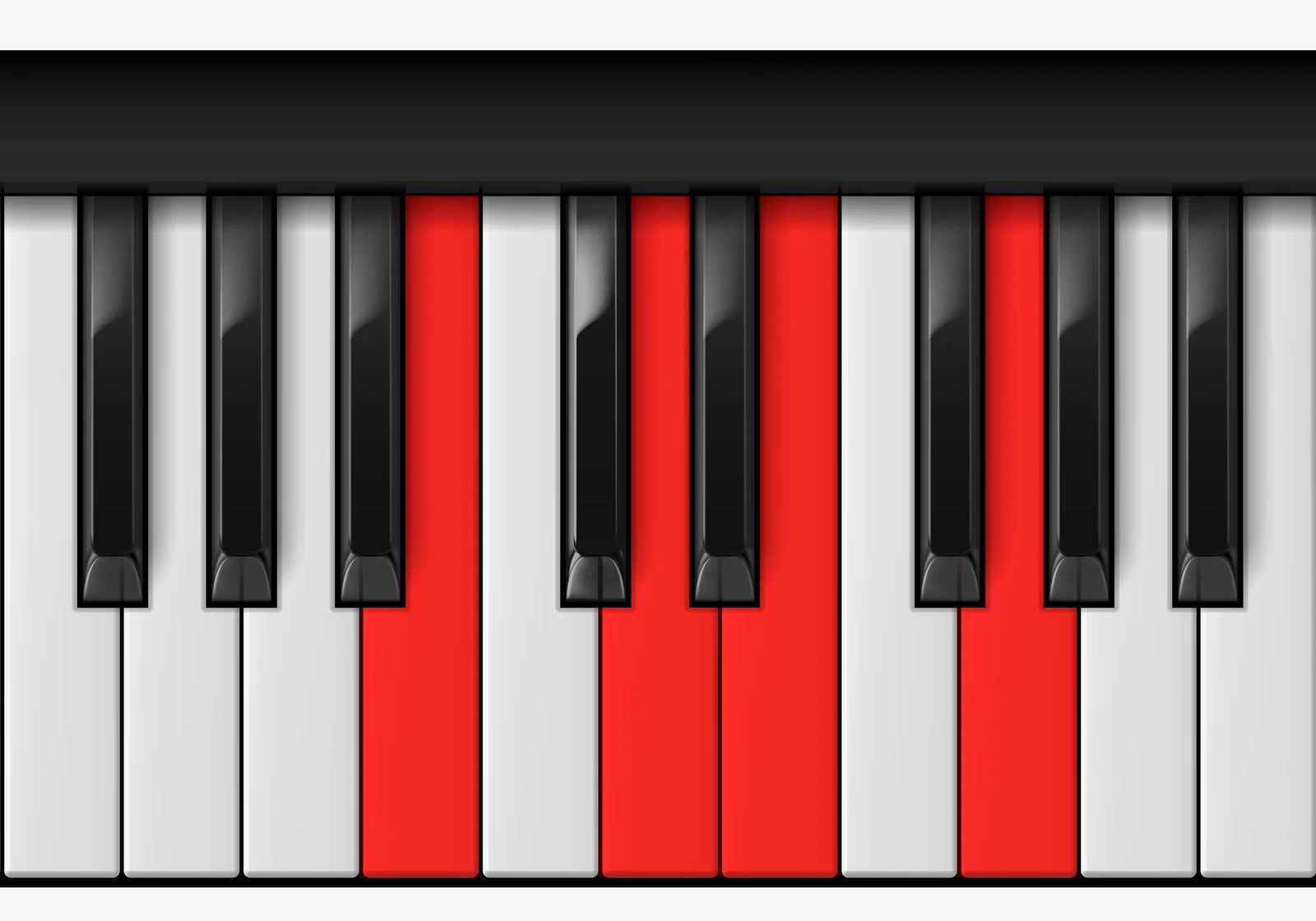
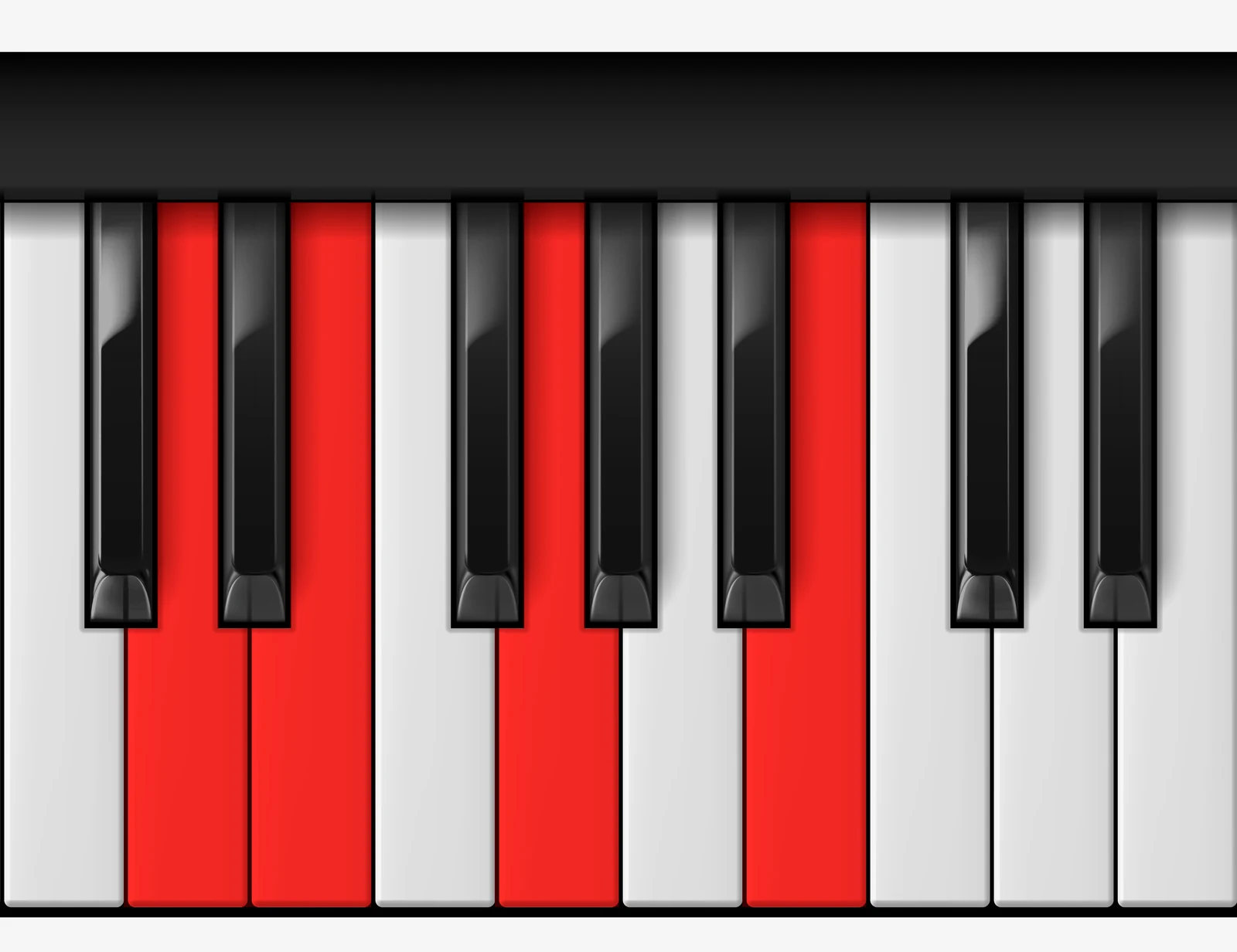
E Minor 7th on the piano — Notes: E – G – B – D
E Minor 7th chord on the piano

The E Minor 7th chord is a four-note chord made up of E, G, B, and D. It is built from a root, minor third, perfect fifth, and minor seventh.

The E Minor 7th piano chord (Em7) consists of the notes E, G, B, D. It is a minor triad with an added minor 7th, giving it a smooth, dark, soulful sound common in jazz and R&B. Formula: R-m3-P5-m7 | Scale degrees: 1-b3-5-b7.

Notes

Notes:E – G – B – D

E Minor 7th Inversions

PositionNotes
Root PositionE – G – B – D
1st InversionG – B – D – E
2nd InversionB – D – E – G
3rd InversionE – G – B – D

Key Signature

The key of E Minor 7th has 1 sharp.

F♯

Order of sharps

Sharps are added to a key signature in a fixed order. Each new sharp key adds the next sharp on the list.

FCGDAEB

Mnemonic: Father Charles Goes Down And Ends Battle

Chords in the Key of E Minor

These are the diatonic triads built on each degree of the E minor scale:

C
D
E
F
G
A
B
C
D
E
F
G
A
B
iE Minor (minor)
DegreeNumeralChordQuality
1iE MinorMinor
2ii°F♯ DiminishedDiminished
3IIIG MajorMajor
4ivA MinorMinor
5vB MinorMinor
6VIC MajorMajor
7VIID MajorMajor

Theory: Intervals

Formula: R-m3-P5-m7
Intervals: P1-m3-P5-m7

The E Minor 7th is built by stacking intervals from the root note. The formula R-m3-P5-m7 describes the scale degrees used. The intervals P1-m3-P5-m7 show the distance between each note in the chord.

E Minor 7th — Frequently Asked Questions

What notes are in the E Minor 7th chord?
The E Minor 7th chord (Em7) contains four notes: E (root), G (minor third), B (perfect fifth), and D (minor seventh). All white keys — making Em7 one of the easiest minor 7th chords to play on piano.
How does E Minor 7th differ from E Dominant 7th?
Both have E as root. Em7 has G (minor third) and D (minor seventh); E7 has G# (major third) and D (minor seventh). The minor third in Em7 gives it a mellow, introspective character compared to E7's bright, bluesy drive.
How is E Minor 7th used in music?
Em7 is the ii chord in D Major and the iii chord in C Major. It appears constantly in pop, rock, folk, and jazz. Em7 is also the second chord in the modal jazz classic So What by Miles Davis, where it alternates with Dm7.
What genres commonly use Minor 7th chords?
Minor 7th chords are essential in jazz, R&B, neo-soul, soul, funk, lo-fi hip-hop, and bossa nova. Em7 specifically crosses into folk, rock, and pop because E minor is one of the most common keys in guitar-driven music.
What songs use Minor 7th chords?
Em7 appears in So What (Miles Davis), Autumn Leaves, and countless pop songs. It is one of the most frequently played chords in popular music because E minor and G Major are among the most common keys.
What is the ii–V–I progression?
The ii–V–I is the most important jazz progression: Em7 (ii) → A7 (V) → Dmaj7 (I) in D Major. This progression appears in virtually every jazz standard and is essential vocabulary for jazz piano.

Practice Tips

  • Em7 is all white keys (E–G–B–D) — use it alongside Dm7 to learn the minor 7th sound on the easiest possible chords.
  • Practice the ii–V–I in D: Em7 → A7 → Dmaj7. D Major is a common key for acoustic music and jazz.
  • Compare Em7 with E7 — one semitone (G vs G#) is the difference between mellow introspection and bluesy drive.
  • Try the So What feel: alternate Dm7 (8 bars) and Em7 (8 bars) for a modal jazz vamp that defined an era.
  • Em7 is the iii chord in C Major — try Cmaj7 → Dm7 → Em7 → Fmaj7 for a beautiful ascending diatonic walk.
  • Rootless voicing: G–B–D without the E root — this is just a G Major triad, a common jazz shortcut for voicing the iii chord.

Related Tools

Chord FinderLook up any chord — see the notes, hear it, and play along.Chord DrillTimed drills to build speed and recognition across all chord types.Practice RoomPlug in a MIDI keyboard and get real-time feedback on every chord and scale.Circle of FifthsVisualize key relationships, relative minors, and key signatures.MIDI MonitorLive MIDI message stream with note names, velocity, and a scrolling staff.