The C♭ Minor 7th chord is a four-note chord made up of C♭, E♭♭, G♭, and B♭♭. It is built from a root, minor third, perfect fifth, and minor seventh.
Construction
C♭ Minor 7th = Root + Minor 3rd + Perfect 5th + Minor 7th = C♭ · E♭♭ · G♭ · B♭♭
| Note | Interval | Degree |
|---|---|---|
| C♭ | Root | 1 |
| E♭♭ | Minor 3rd | ♭3 |
| G♭ | Perfect 5th | 5 |
| B♭♭ | Minor 7th | ♭7 |
C♭ Minor 7th Inversions
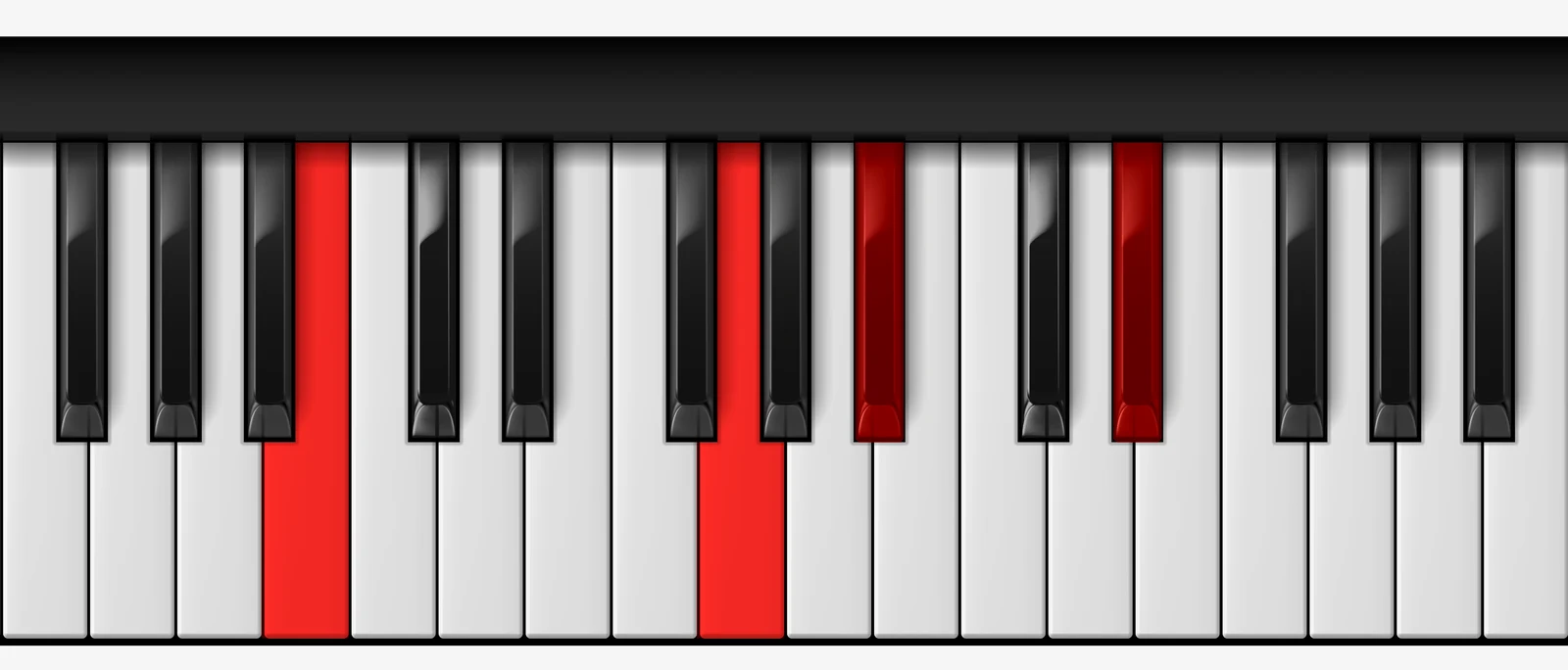
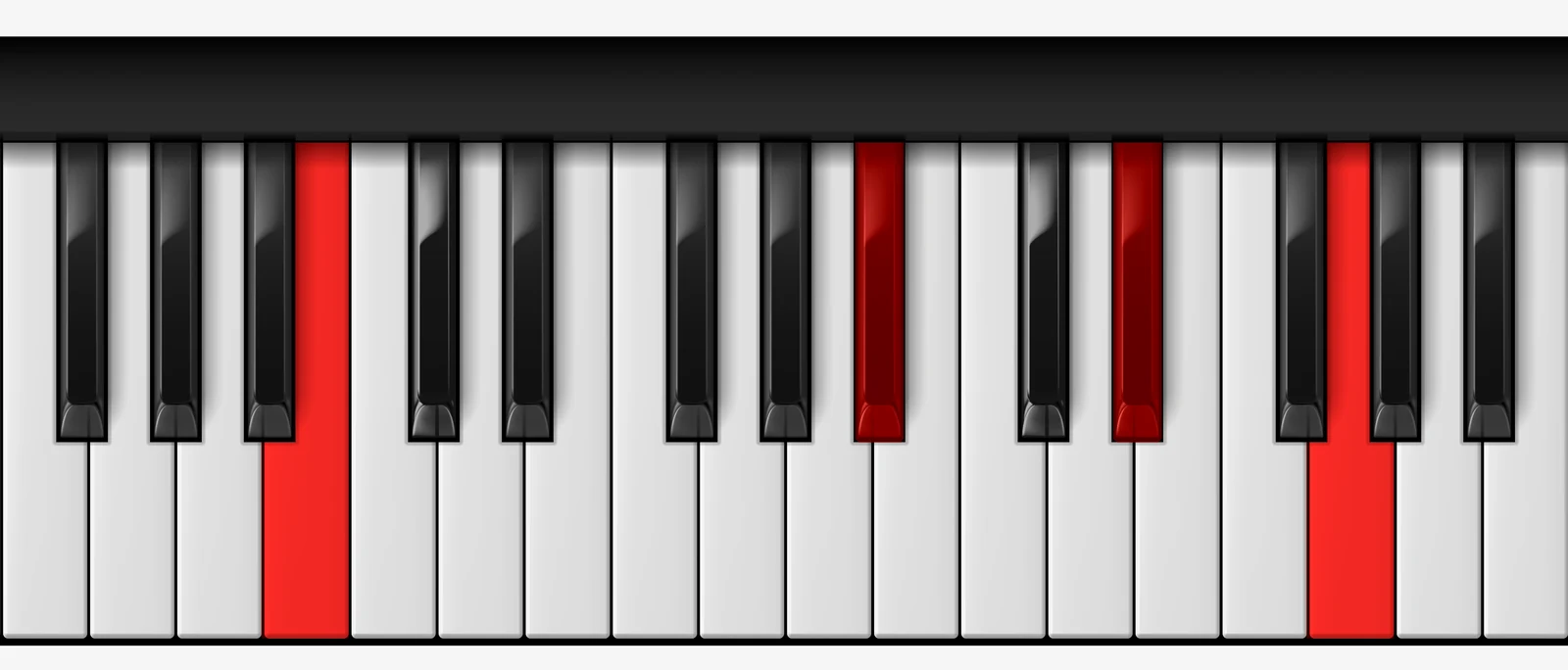
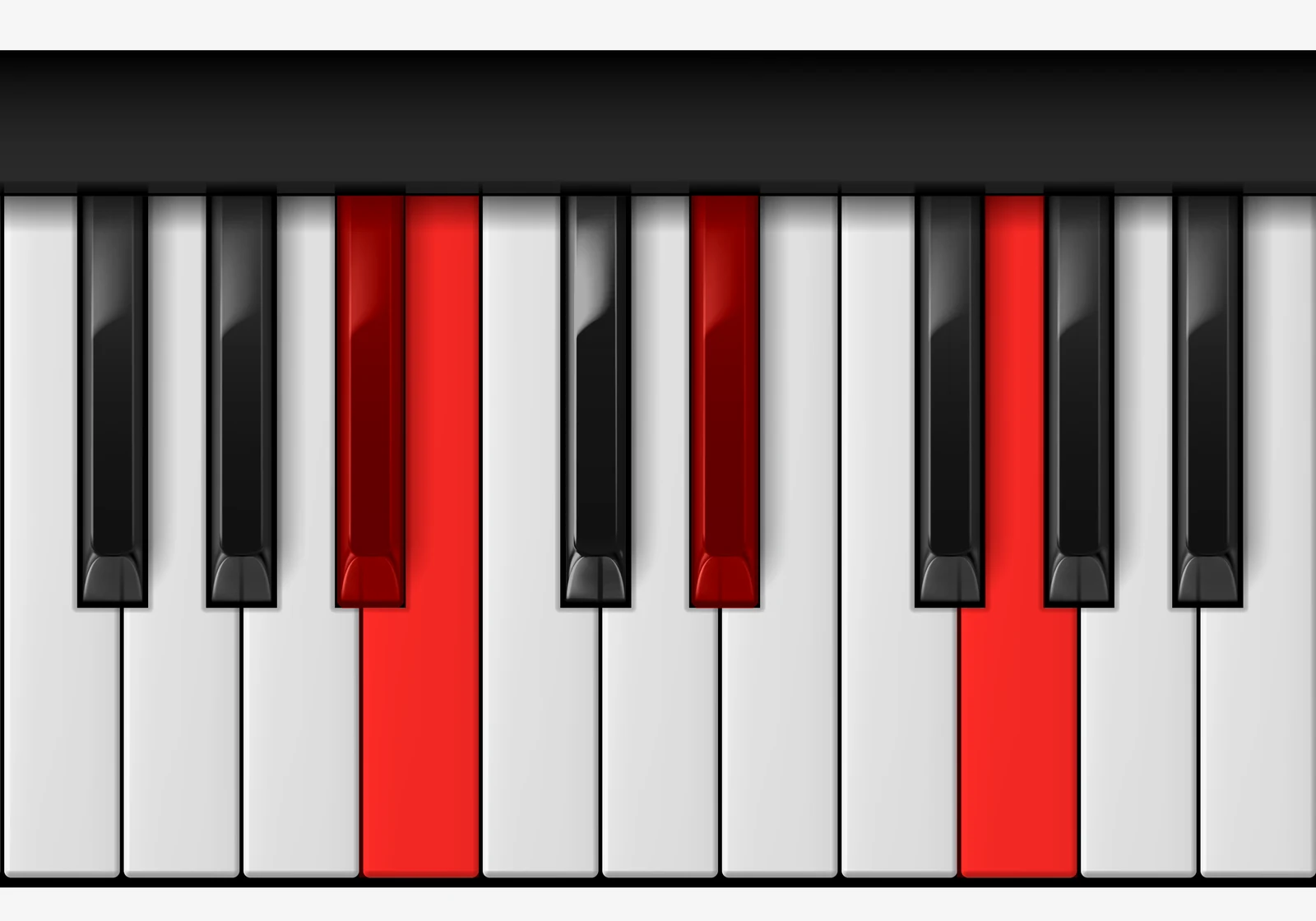
| Position | Notes |
|---|---|
| Root Position | C♭ – E♭♭ – G♭ – B♭♭ |
| 1st Inversion | E♭♭ – G♭ – B♭♭ – C♭ |
| 2nd Inversion | G♭ – B♭♭ – C♭ – E♭♭ |
| 3rd Inversion | B♭♭ – C♭ – E♭♭ – G♭ |
Key Signature
A chord has no key signature of its own, but the C♭ Minor 7th is the tonic (i) chord of Cb Minor, which shares the signature of its relative major, D Major — 2 sharps (F♯, C♯).
F♯C♯
Order of sharps
Sharps are added to a key signature in a fixed order. Each new sharp key adds the next sharp on the list.
F♯C♯G♯D♯A♯E♯B♯
Mnemonic: Father Charles Goes Down And Ends Battle
Chords in the Key of C♭ Minor
These are the triads built on each degree of the C♭ minor scale:
Same Notes, Other Names
The notes C♭ – E♭♭ – G♭ – B♭♭ aren’t exclusive to this chord. Depending on which note is the bass and how the chord functions, the same pitches also spell:
C♭ Minor 7th — Frequently Asked Questions
What is the C♭ Minor 7th chord on piano?
The C♭ Minor 7th chord contains the notes C♭ – E♭♭ – G♭ – B♭♭. On piano, play these notes together to sound the chord.
What notes are in the Cb Minor 7th chord?
The Cb Minor 7th chord (Cbm7) contains four notes: Cb (root), Ebb (minor third), Gb (perfect fifth), and Bbb (minor seventh). Ebb is enharmonically D, and Bbb is enharmonically A. This chord is the enharmonic equivalent of Bm7.
How does Cb Minor 7th differ from Cb Dominant 7th?
Both have Cb as root. Cbm7 has Ebb (minor third); Cb7 has Eb (major third). The minor third gives Cbm7 a darker, smoother character compared to Cb7's dominant drive.
How is Cb Minor 7th used in music?
Cbm7 is a theoretical chord that appears in extreme flat-key contexts. In practice, musicians use the enharmonic equivalent Bm7. Cbm7 exists for theoretical completeness and consistency in flat-key notation.
What genres commonly use Minor 7th chords?
Minor 7th chords are essential in jazz, R&B, neo-soul, soul, funk, lo-fi hip-hop, and bossa nova. Whether spelled Cbm7 or Bm7, the sound and function are identical.
What songs use Minor 7th chords?
Minor 7th chords appear throughout Autumn Leaves, So What (Miles Davis), and countless popular songs. The Bm7/Cbm7 sound is common in pop and folk music.
What is the ii–V–I progression?
The ii–V–I in this context: Cbm7 (ii) → Fb7 (V) → Bbbmaj7 (I), or enharmonically Bm7 → E7 → Amaj7 in A Major. The practical spelling is far more common.